EDITOR'S NOTE
Every season, Paris Fashion Week works like a tide, washing designers from everywhere up onto the shore for a brief moment of exposure. The established houses spend a million on a show; the new names work showrooms and trade fairs like Tranoï to catch buyers and press. But does a million-euro show with a front row of famous influencers actually move product, or win anyone who stays? Our wardrobes and our inboxes are already full. Most fashion coverage isn’t worth wasting five minutes on — spend those five minutes on a round of fascia stretching, or a walk around the block. Far better for your well-being.
The designs the press calls fresh and singular: models placed inside transparent eggshells, a Western film set dragged into the middle of a show space. Once the ripple on the surface is gone, what does any of it have to do with us? I have sat through small shows where a group of male models, bare-chested and in their underwear, sprayed water at each other. I thought that routine retired when Tom Ford left Gucci. Seeing it again in 2026 is hard to explain.
In the end, every designer, new or established, is presenting a worldview. How is that different from an account on X that keeps pushing you to follow and subscribe? The difference is that you have to buy the clothes with real money and wear them for a long time. So why this piece and not that one? Why not just wear the logos everyone recognises?
A young designer’s price tag is not young. Sometimes it costs more than a coat from a major house. So you need to know whether the designer has actually put the work into the making and the design, and not only into the presentation, the language around it, and the PR spend. I think that is why people who have been buying clothes for years tend to prefer contemporary Japanese designers: the pricing sits closer to the market, and compared with the handful of household names who stormed Paris in the eighties and nineties, they state their ideas with more restraint. Chiahung Su, from Taiwan, has that same register.
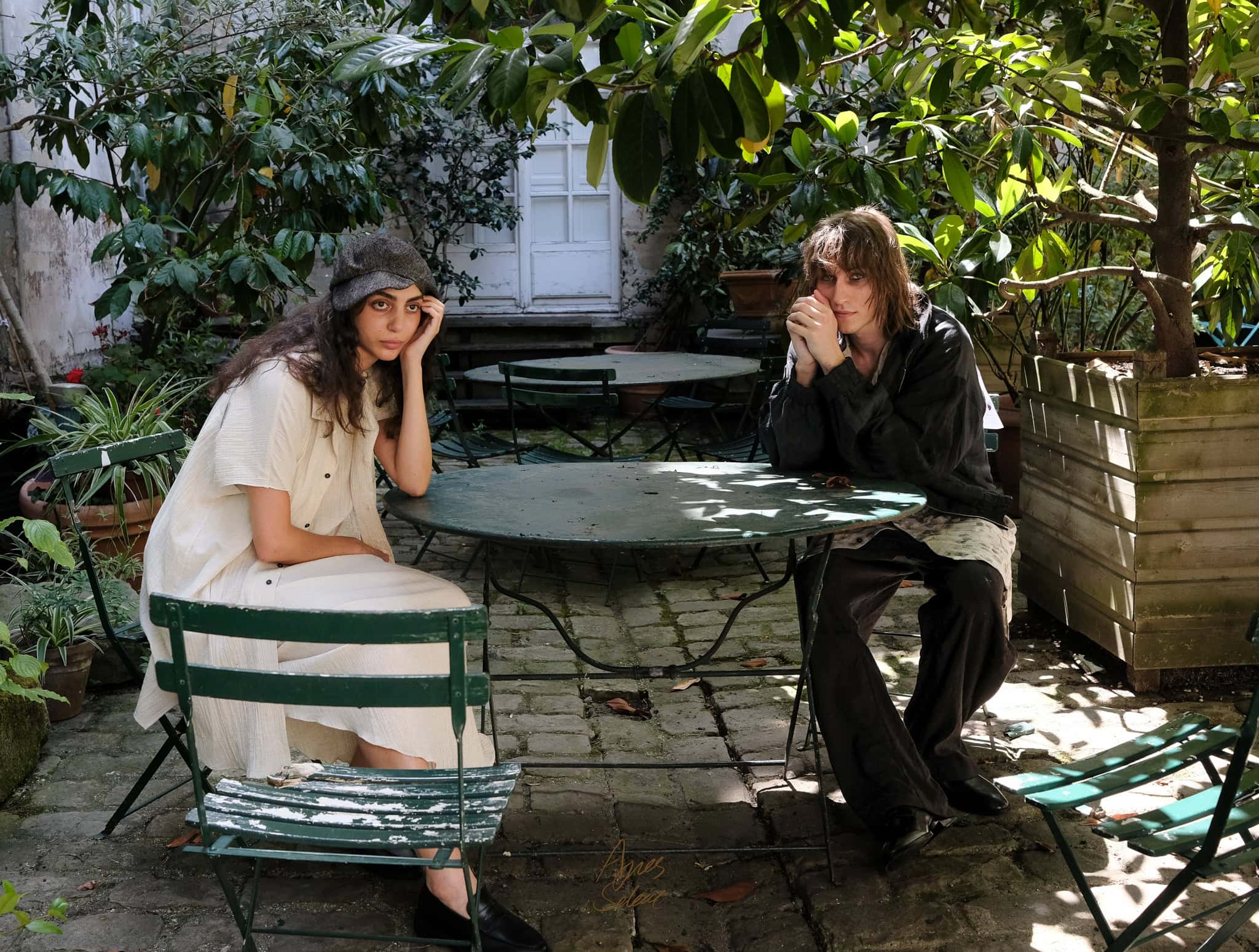
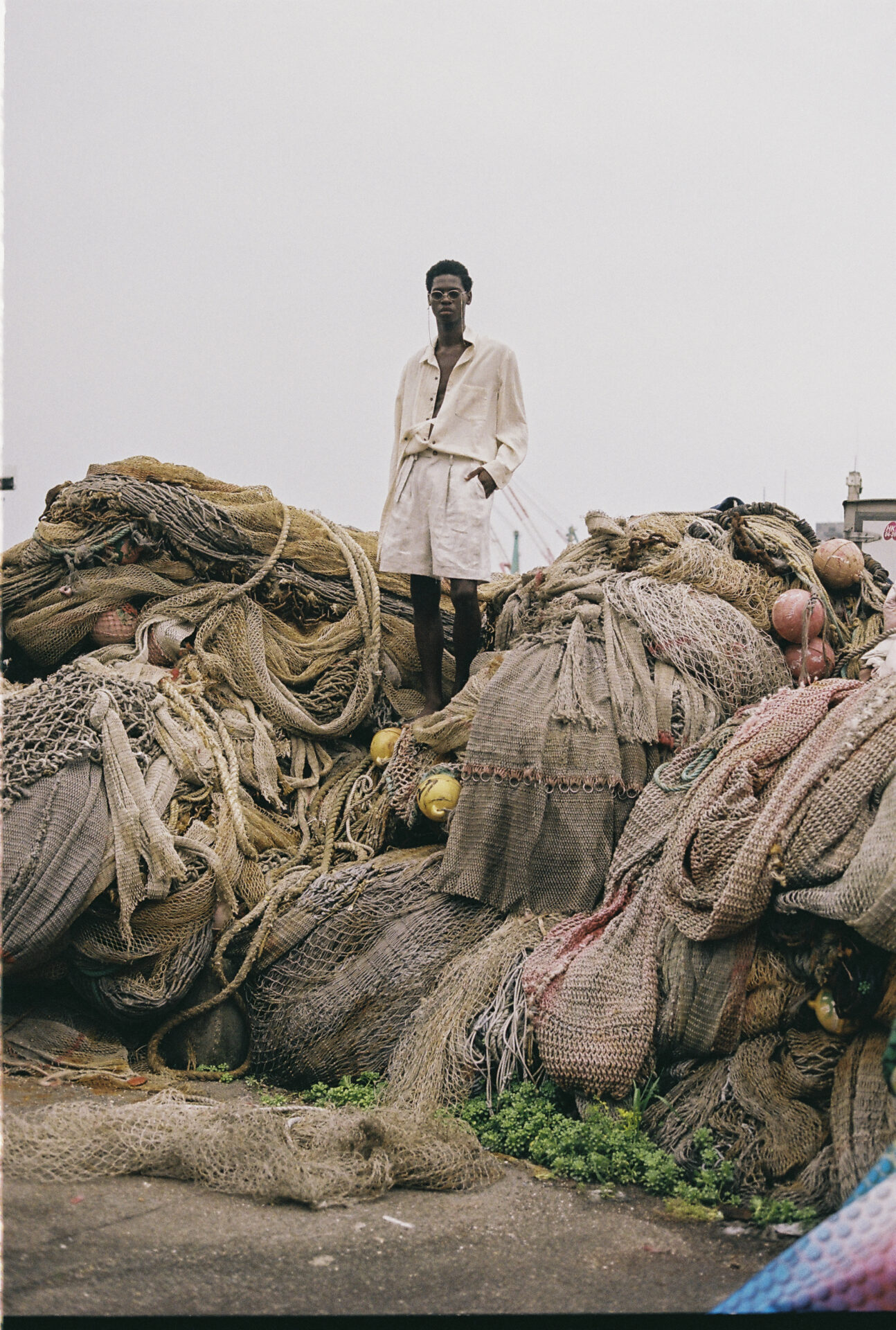
In the hottest days of late June I went to Chiahung Su’s showroom in Paris. What had drawn me there were the brand images on their Instagram — well shot, full of force, the colours clean and sombre. The brand describes itself as rooted in Taiwan’s long cultural and historical layers, thinking continuously about cultural preservation, the transmission of craft and questions of identity, while holding a global outlook.
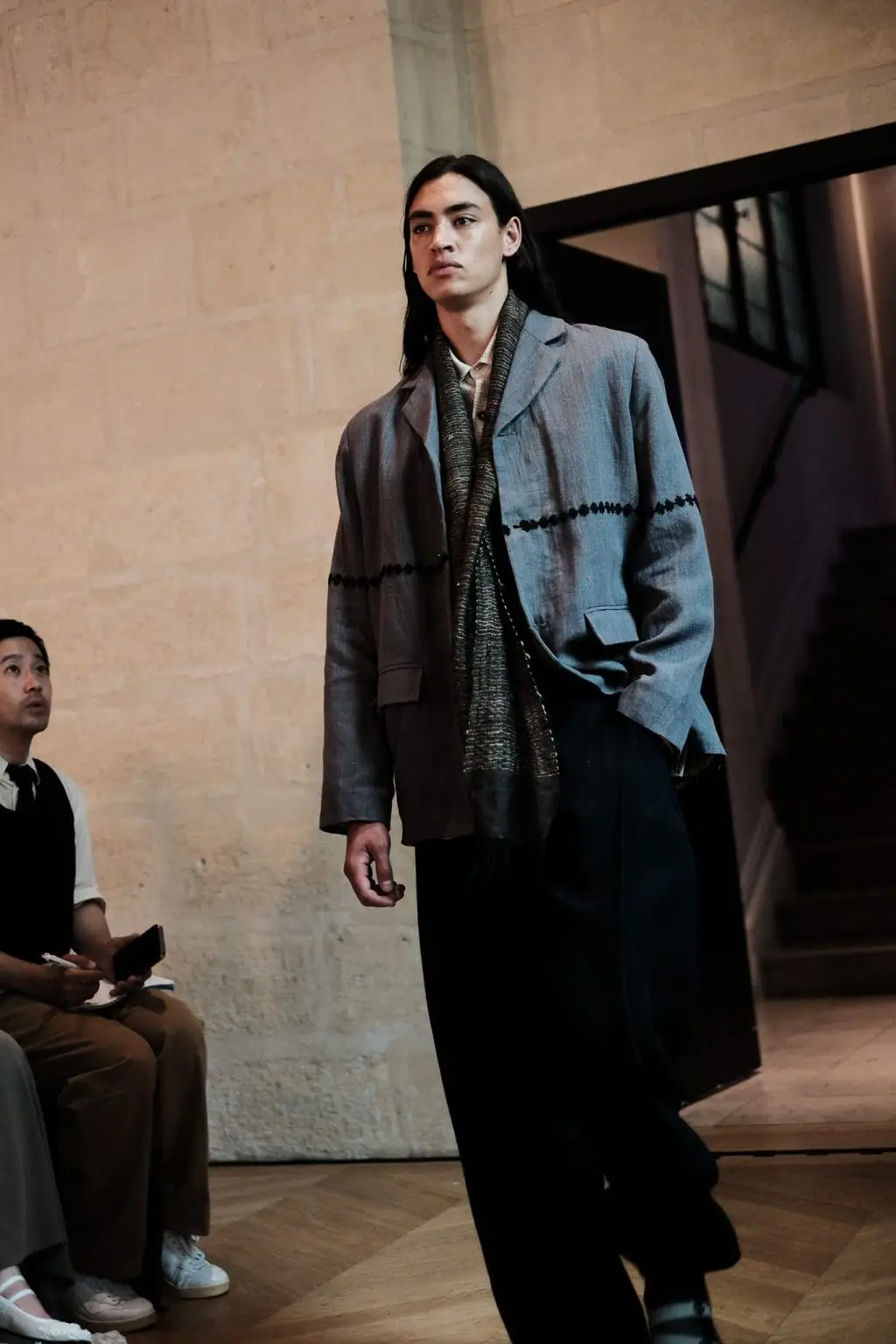
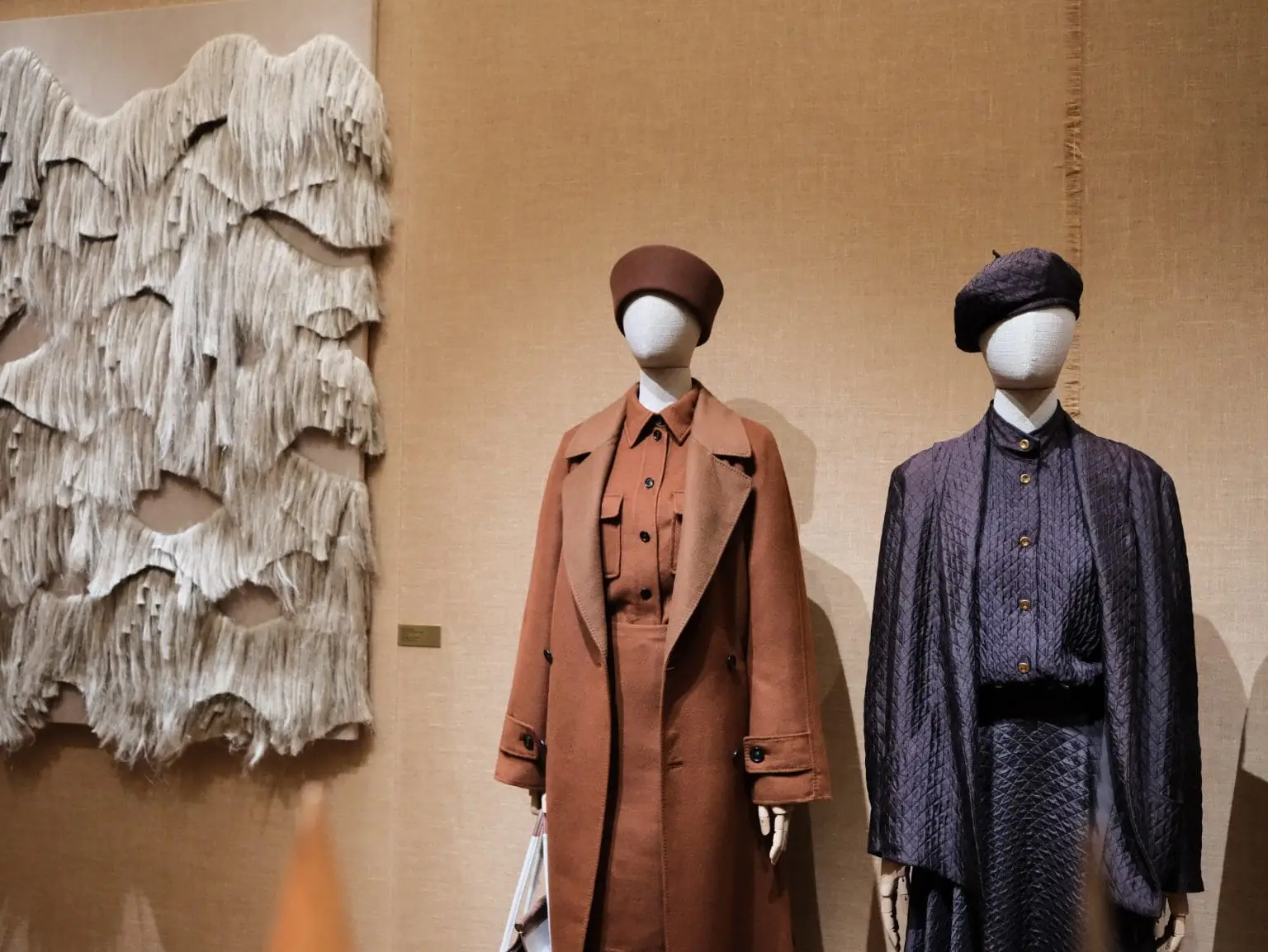
The open constructions at his hems and the deliberately unfinished seams recall some of Elena Dawson’s handling — the same unruly romanticism. But it is in the choice of cloth that his worldview does its real work. Crisp, sharply cut — the usual menswear vocabulary has almost nothing to do with these clothes. The fabrics are soft and slack in the hand; even a double-breasted coat shows no hard shell of stiff interlining. Although he trained as an apprentice in a Taiwanese bespoke tailoring shop, what he makes is unmistakably his own, never captured by the tailoring line. Some of the cotton shirting comes off an antique loom in Aichi, Japan. Most of the cloth comes from where his ideas begin — Taiwan.