Editor's Note:
If fabric is the skin, then silhouette and tailoring are the bone and flesh of a collection. Since founding her eponymous label in 2022, Ilenia Durazzi has established a rare kind of skeletal beauty (骨相美)—a fashion that, stripped of superfluous decoration, sustains its spirit solely through cut and structure.
This calm tension is no accident. Years in the menswear departments of Balenciaga under Nicolas Ghesquière and as Head Designer for Menswear at Maison Margiela trained her to treat the wardrobe as a functional system rather than a display. DURAZZI’s blazers carry waistlines as precise as saddlery; its signature D-ring hardware is not mere ornament, but a totem of control and release.
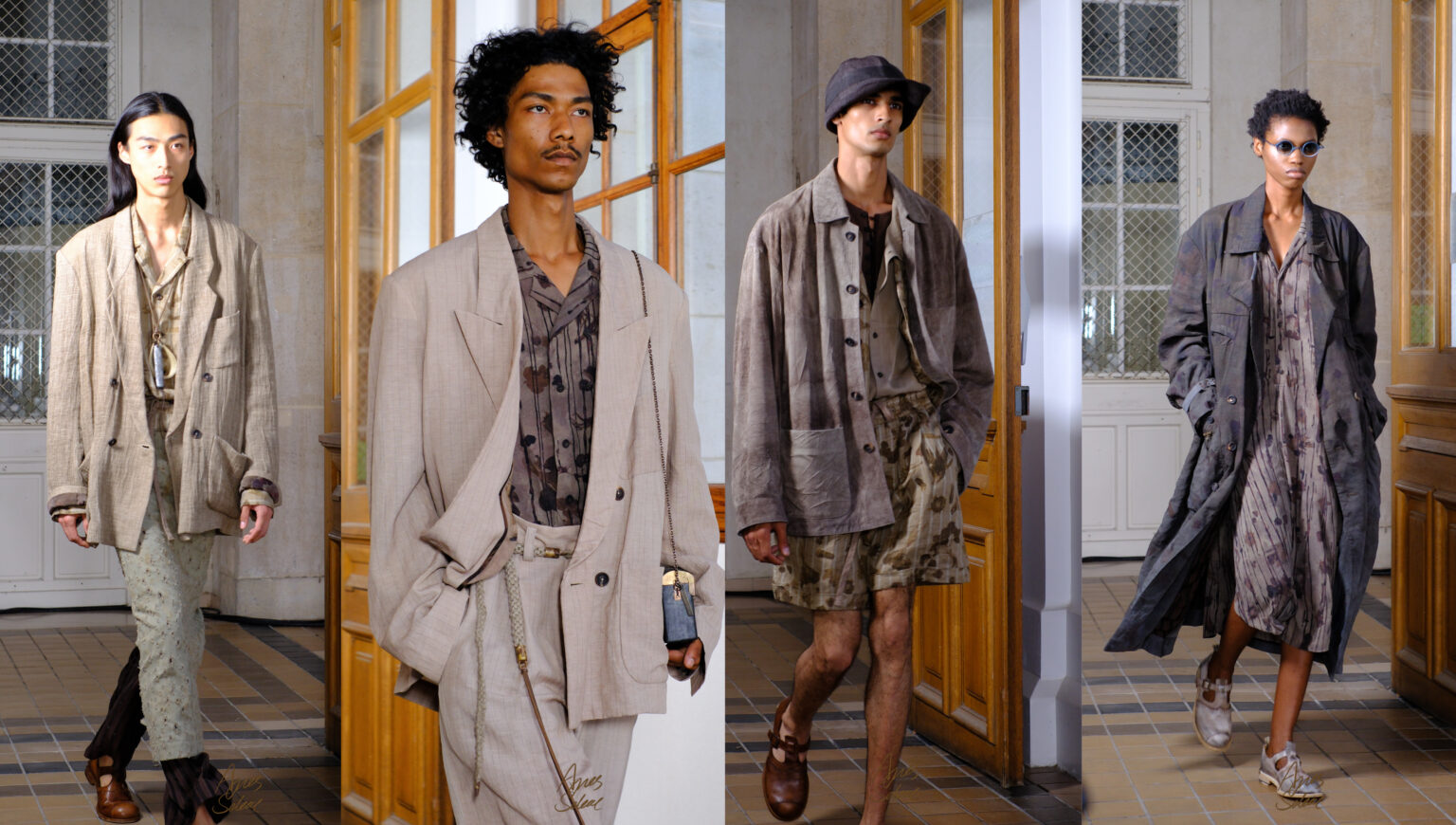
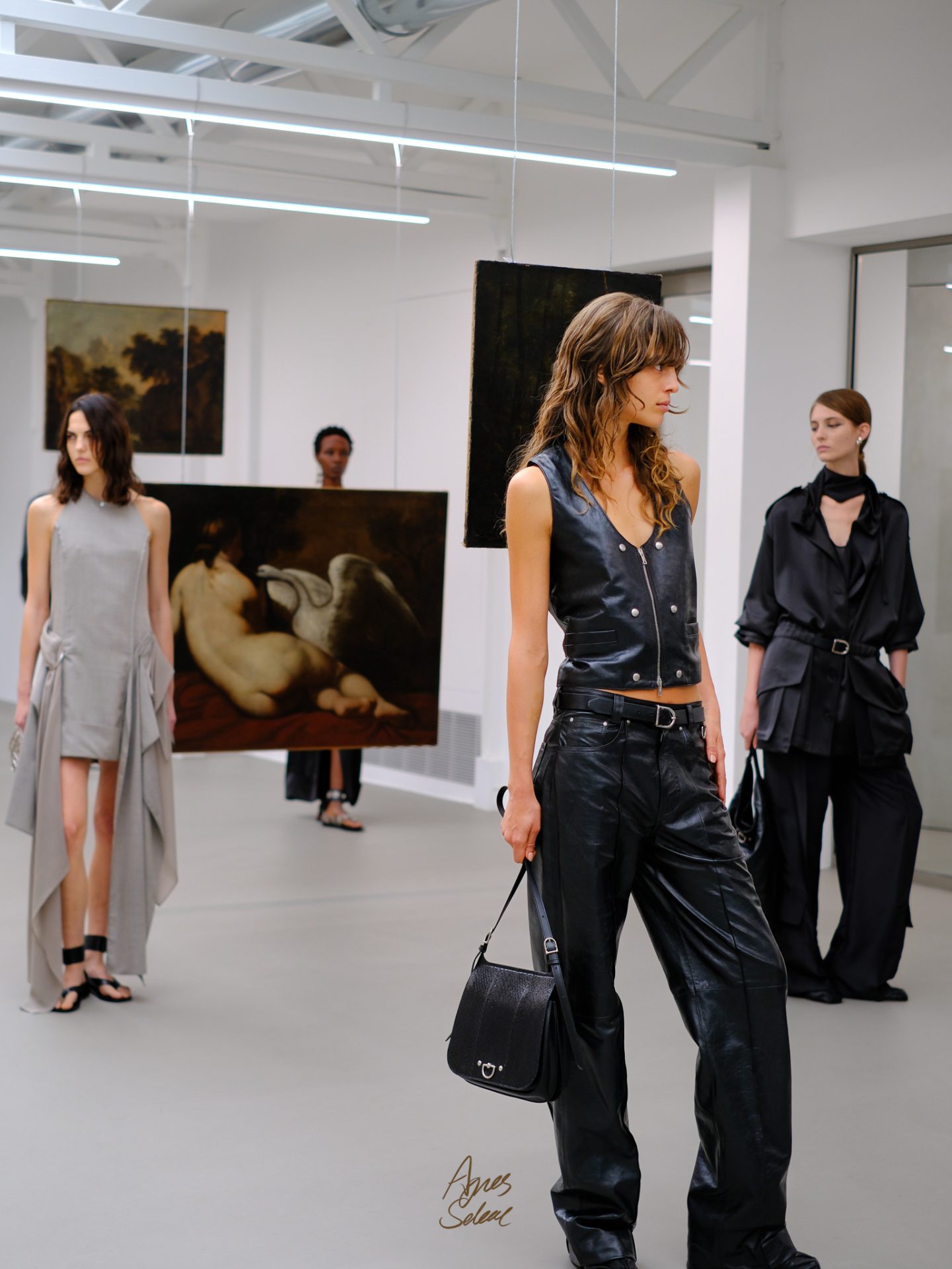
In the recently unveiled SS26 collection, that rigorous control develops a deliberate fissure. Models emerged as “Contemporary Nymphs,” as if stepping out of Caravaggio-esque canvases into a minimalist industrial space, and Durazzi’s once sharply drawn lines began to flow. The woman in her gaze holds both the discipline of equestrianism and an intact, almost feral instinct.
As she states in this exclusive Agnes Select interview, she has no intention of flattering women, nor does she attempt to idealize them. What she sculpts is a woman “aware of her gravity”—real, concrete, and possessed of a confident assurance that embraces her own imperfections.
Below is Agnes Select’s in-depth conversation with Ilenia Durazzi.
She is grounded, physical, and beautifully imperfect. The Durazzi woman is concrete and tangible. Her strength comes from embodiment, not idealization.
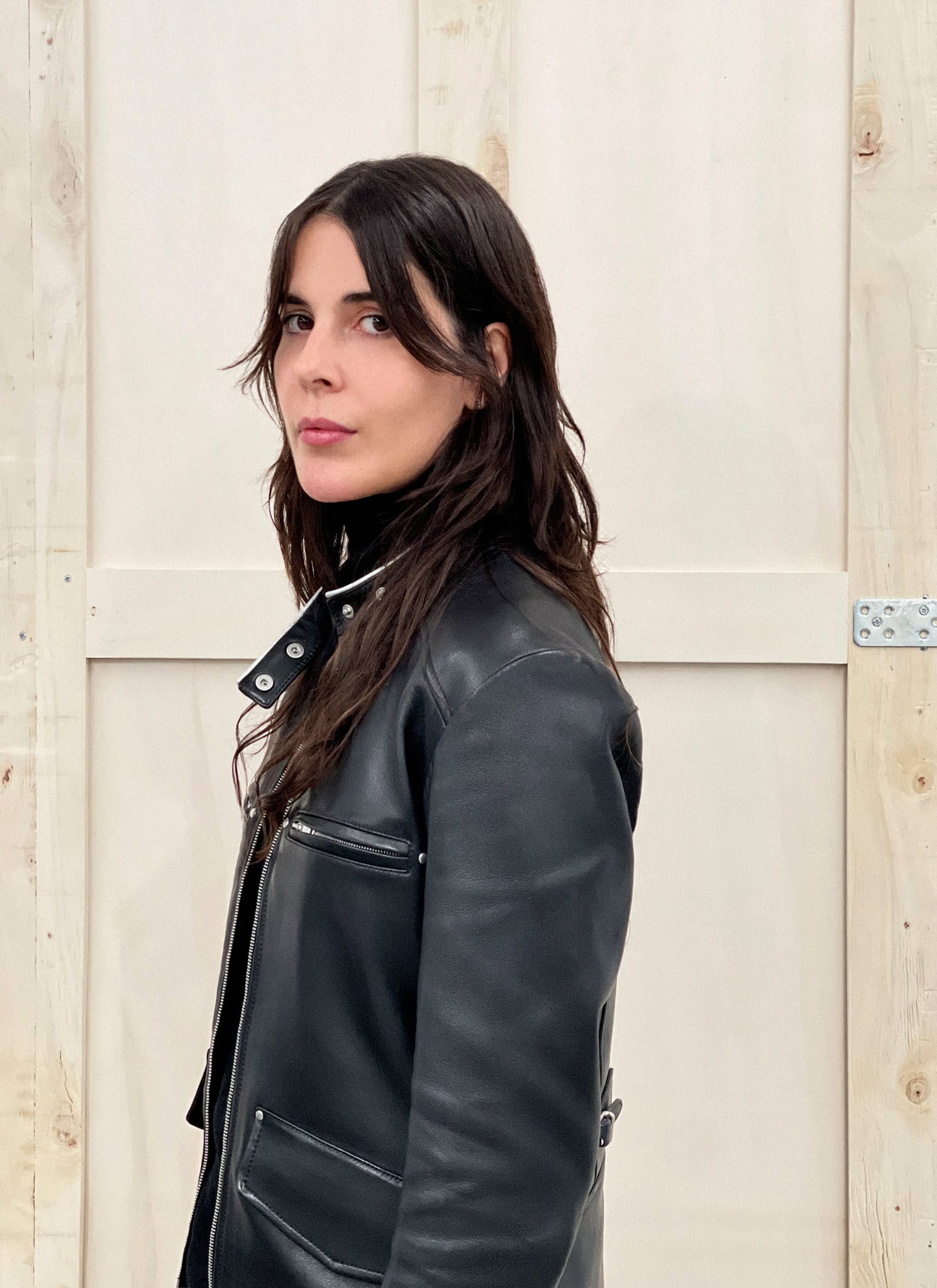
Ilenia Durazzi
1. The Menswear Discipline
Agnes: Before founding Durazzi Milano, you built an impressive career at houses like Maison Margiela and Balenciaga, specifically in menswear. Designing for men often emphasizes construction over decoration—a unique discipline. How did those years shape your approach to the female body and women’s power today?
Ilenia: Menswear shaped my understanding of the wardrobe as a functional system rather than a display. It trained me to think in terms of structure, durability, and use. When I design for women, I start from construction and materiality: fabrics with weight, texture, and intention. A garment is not only about how it supports the body, but about the attitude it gives and how it makes you feel. Sensuality and femininity emerge through controlled draping and movement, not through ornament. Power lies in how a garment behaves on the body.