Alaïa & Mugler: A Symphony of Style in the 1980s

Language • 語言

Now on view in Paris, “Azzedine Alaïa and Thierry Mugler: 1980-1990—A Twenty-Year Resonance of Art” unveils the iconic duo’s inspiring collaboration, shaping the 1980s vision of feminine allure.

Share This Article • 分享本文

When Alaïa Meets Mugler: The Vibrant 1980s Fashion Story

Paris, March 2, 2025

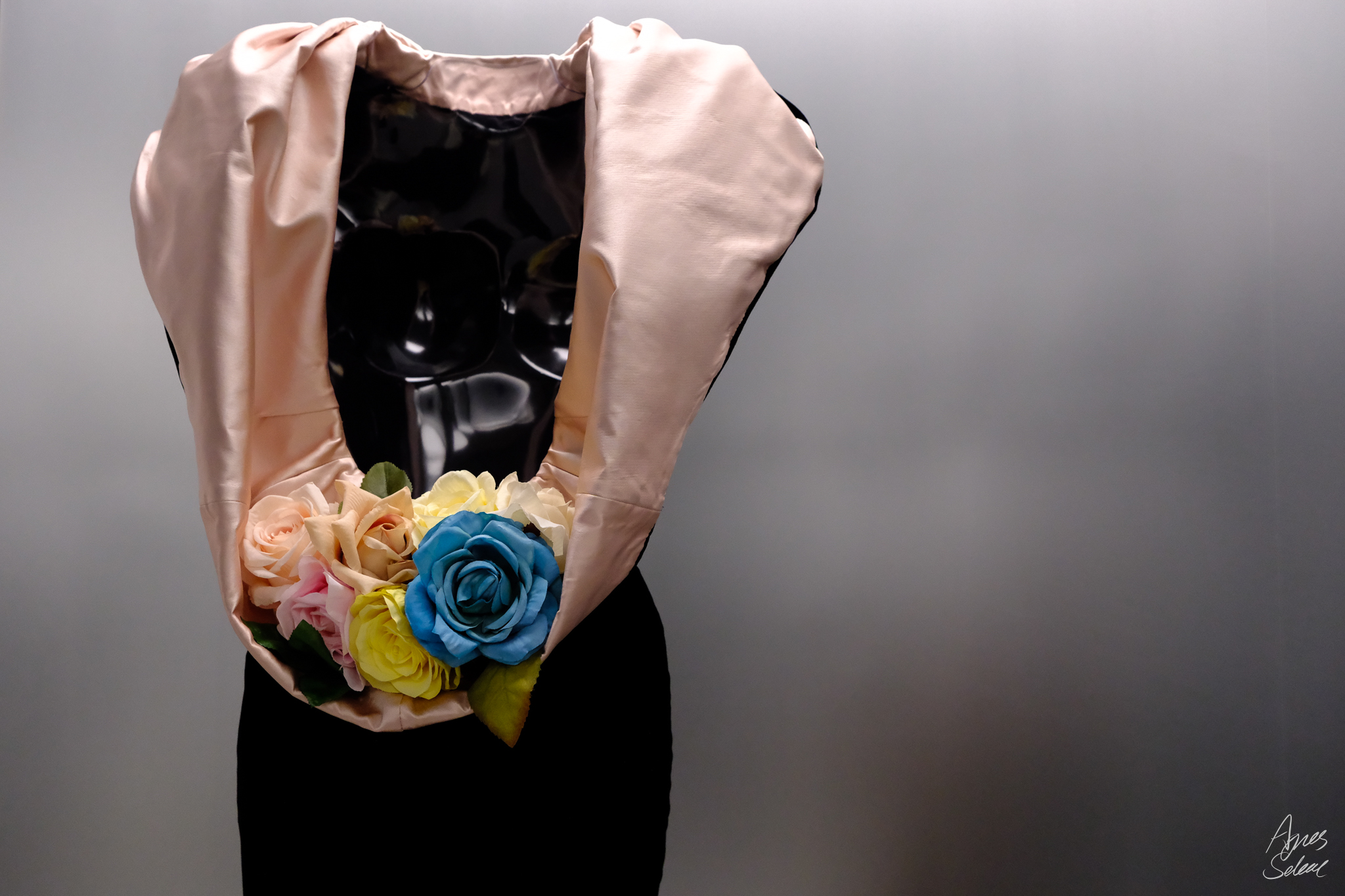
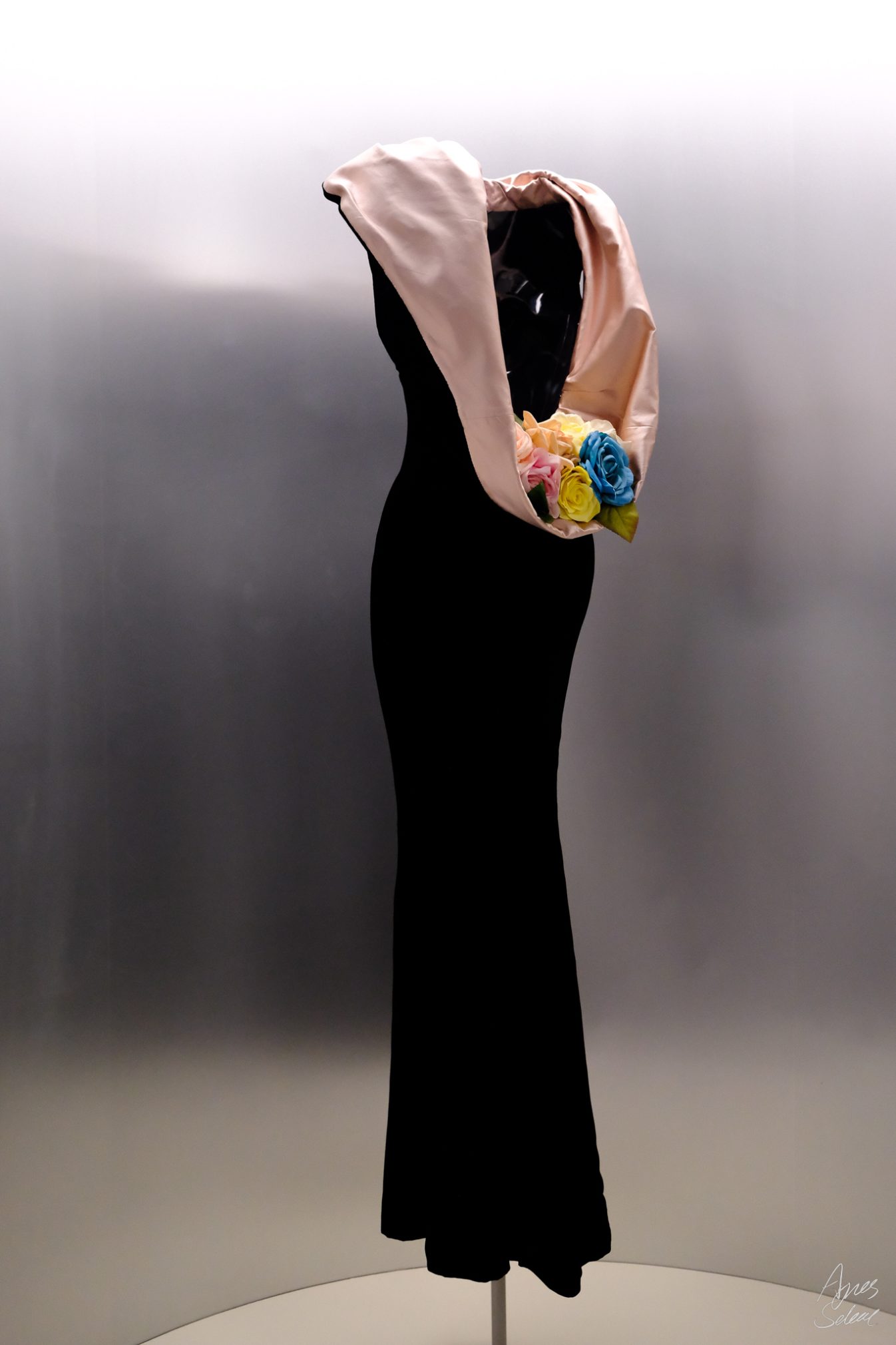
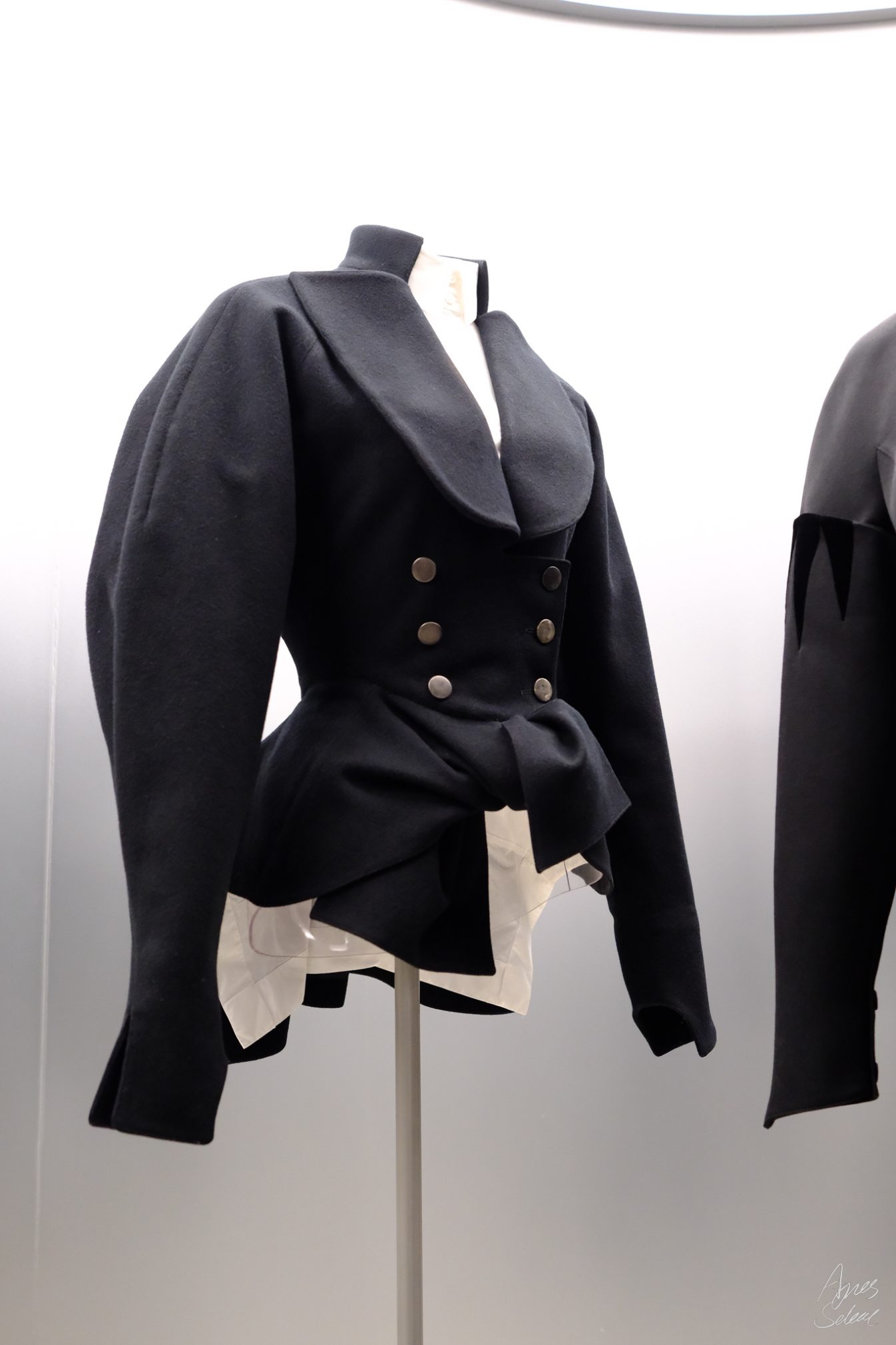
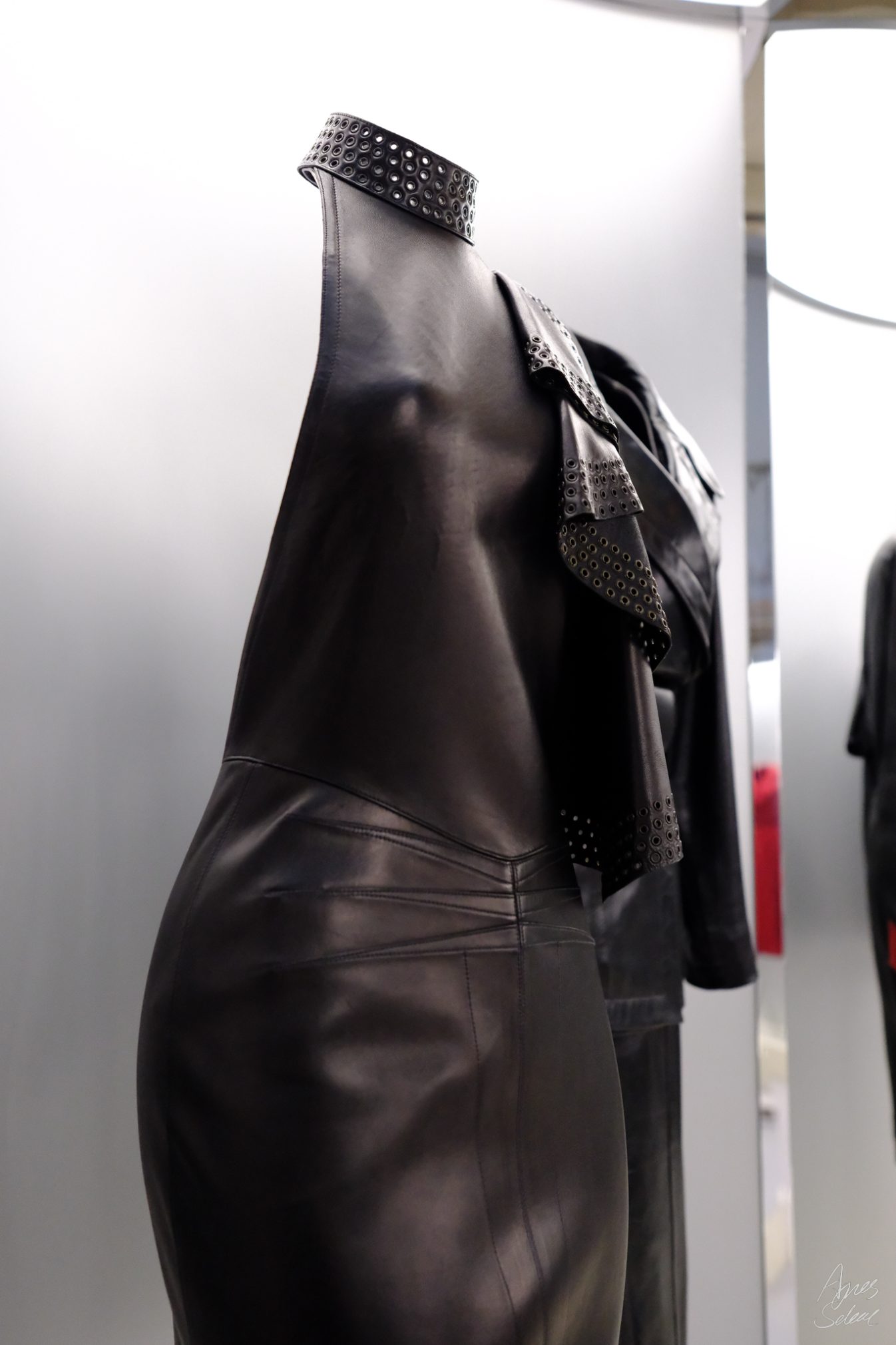
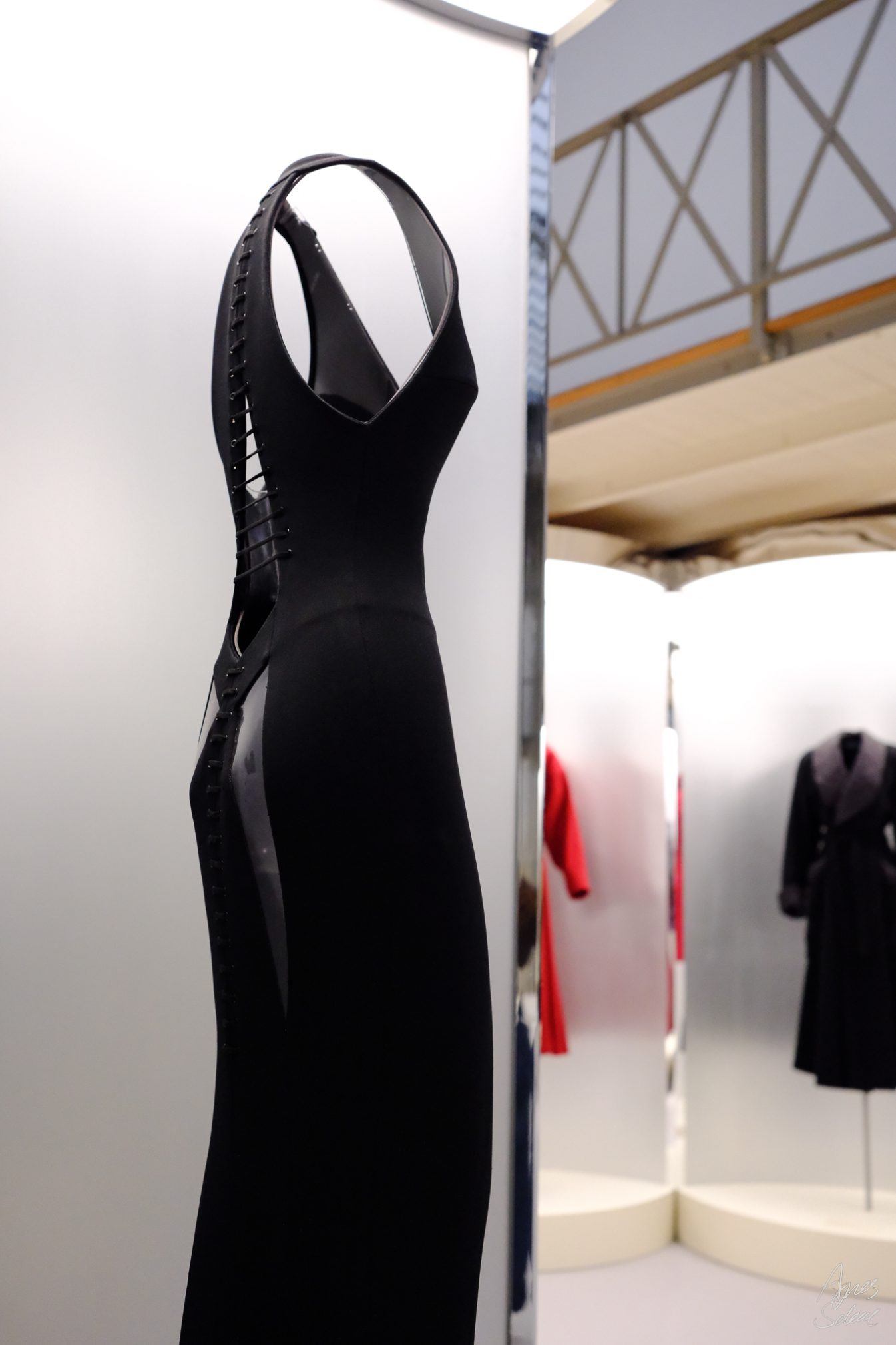
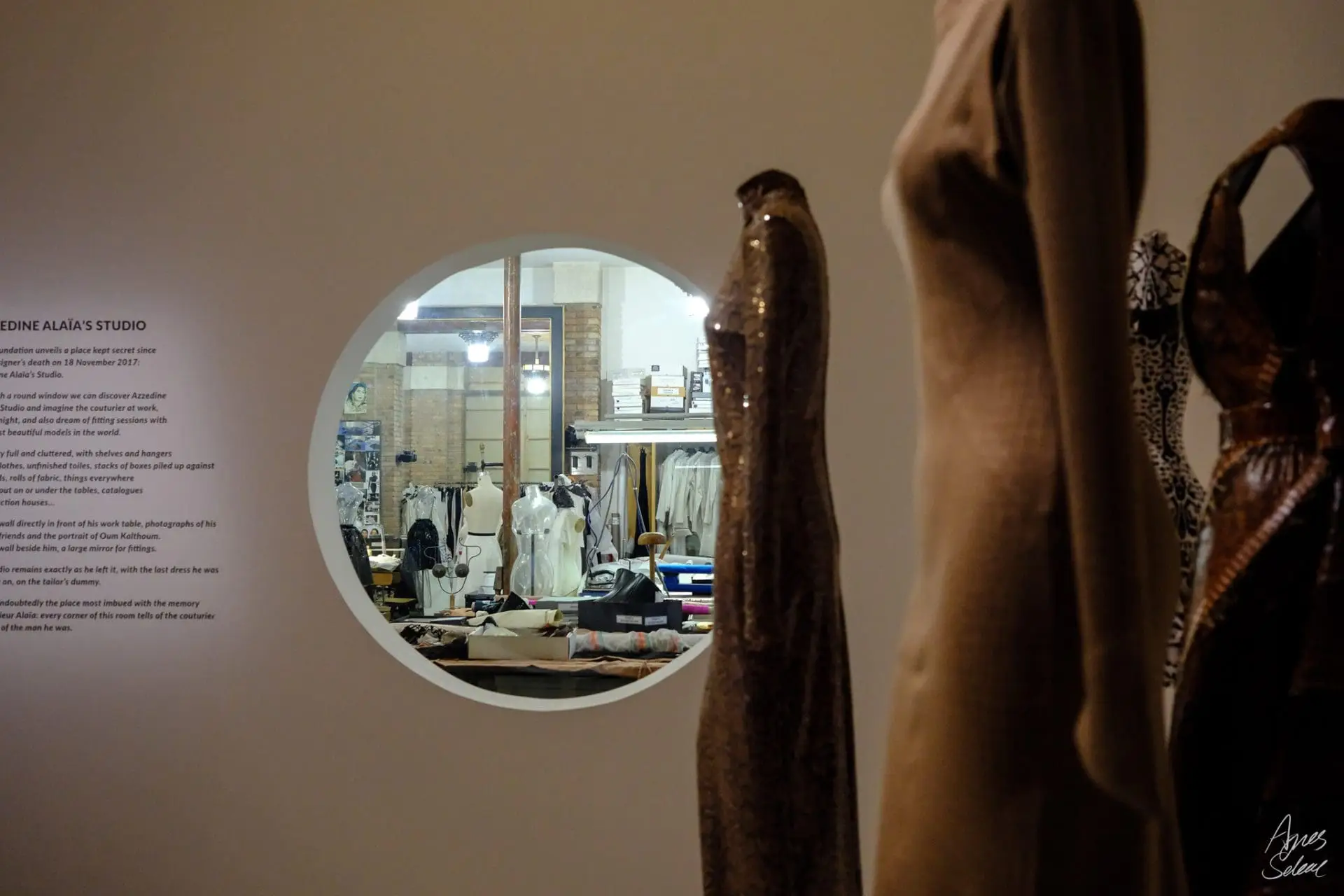
An extraordinary exhibition is now underway in Paris—“Azzedine Alaïa and Thierry Mugler: 1980-1990—A Twenty-Year Resonance of Art” (curated by Olivier Saillard). With over 200 archival pieces, it unveils the captivating decade in the 1980s when these two design icons inspired and supported each other. From bold, wide-shouldered, cinched-waist silhouettes to dazzling Hollywood glamour, this pair of close friends, with their unique aesthetic voices, together shaped the era’s vision of feminine charm.

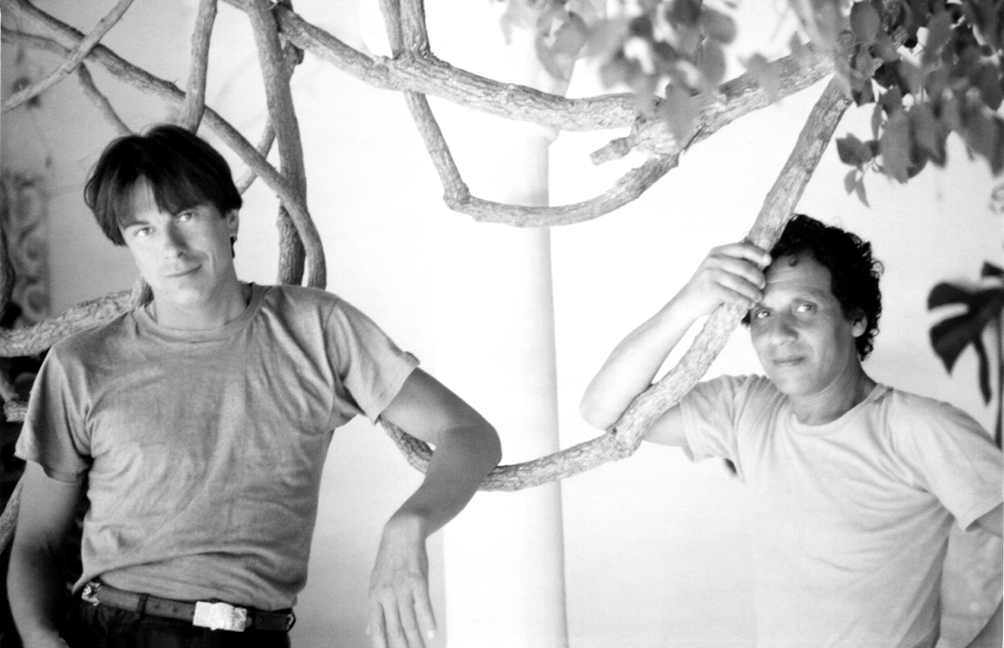
Azzedine Alaïa and Thierry Mugler
Azzedine Alaïa and Thierry Mugler, credit: Fondation Azzedine Alaïa

We deeply influenced each other.

Azzedine Alaïa’s story began in the 1950s Parisian haute couture world. As one of the last masters to master every step of garment creation—from cutting to design—he dressed icons like Louise de Vilmorin and Greta Garbo, drawing inspiration from their effortless elegance. Carrying forward the golden age of haute couture, Alaïa was famous for cutting directly on models, earning him the nickname “the designer’s designer” among peers. His extraordinary craftsmanship won over clients and impressed fellow designers like Yves Saint Laurent, who marveled at how he turned the most challenging sketches into reality. In 1979, Thierry Mugler invited him to design tailcoats for the 1979-80 fall/winter collection, sparking a lasting friendship.

If Thierry Mugler is the maestro of a futuristic fantasy, Azzedine Alaïa is the quiet artist sculpting fabric into life. Mugler wowed the world with his dramatic runway spectacles—like his 1984 show at Paris’s Zenith arena, where 6,000 spectators watched helicopters create rain for an unforgettable moment. Alaïa, on the other hand, preferred the intimacy of the salon, using scissors to craft flowing curves on models. Yet, this striking duo shared a passion for the perfect silhouette: nipped waists, broad shoulders, and rounded hips—a futuristic twist on Dior’s 1950s “New Look” and a modern echo of 1930s Hollywood costumes by Adrian. When I asked curator Olivier Saillard how he brought these two distinct visions together, he smiled and said, “Though their styles couldn’t be more different, both celebrate women as goddesses, telling stories of beauty through curves.”

For Privé Members

Privé 會員專屬

The rest of this piece is open to Privé members. Become one to read it in full — and everything in the archive, in English, Traditional Chinese, and Simplified Chinese.

後續內容為 Privé 會員開放。成為會員即可閱讀全文,以及完整文章庫 — 以英文、繁體中文、簡體中文呈現。

Become a Member

Join the Conversation

留下你的看法

閱讀不必止於此。 歡迎分享你的觀點、提問或補充。
Let the reading continue. Share your perspective, question, or addition below.

Subscribe
Notify of
guest

0 Comments