An Indian Brand That Refuses the Obvious
Among the newer names at Milan Fashion Week, Dhruv Kapoor stands out as an Indian label that grows from local soil without locking itself into the usual “Indian codes”. Founded in 2013 by designer Dhruv Kapoor, the brand first tested the waters with a capsule collection shown in Mumbai, before steadily building its presence in Milan with a gender-fluid, tailored‑meets‑street silhouette that caught buyers’ and editors’ attention. In recent years, Kapoor has been pushing Indian craft into a more contemporary framework while strengthening his home market; the brand now enjoys a solid base in India, and both he and his team have appeared in multiple “designer of the year” and “young talent” lists across fashion and lifestyle media.
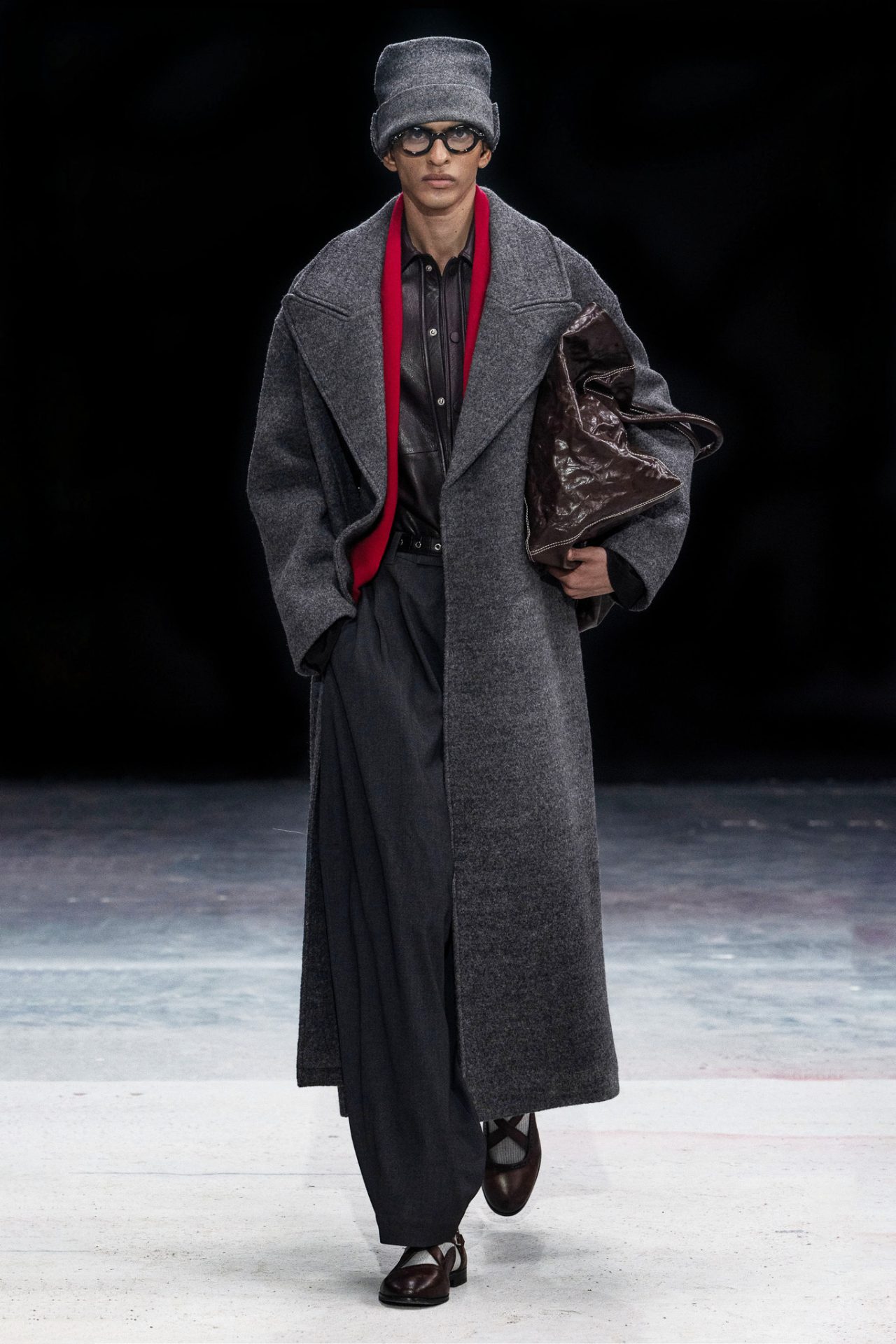
Turning “In-Between” Time into a Wardrobe
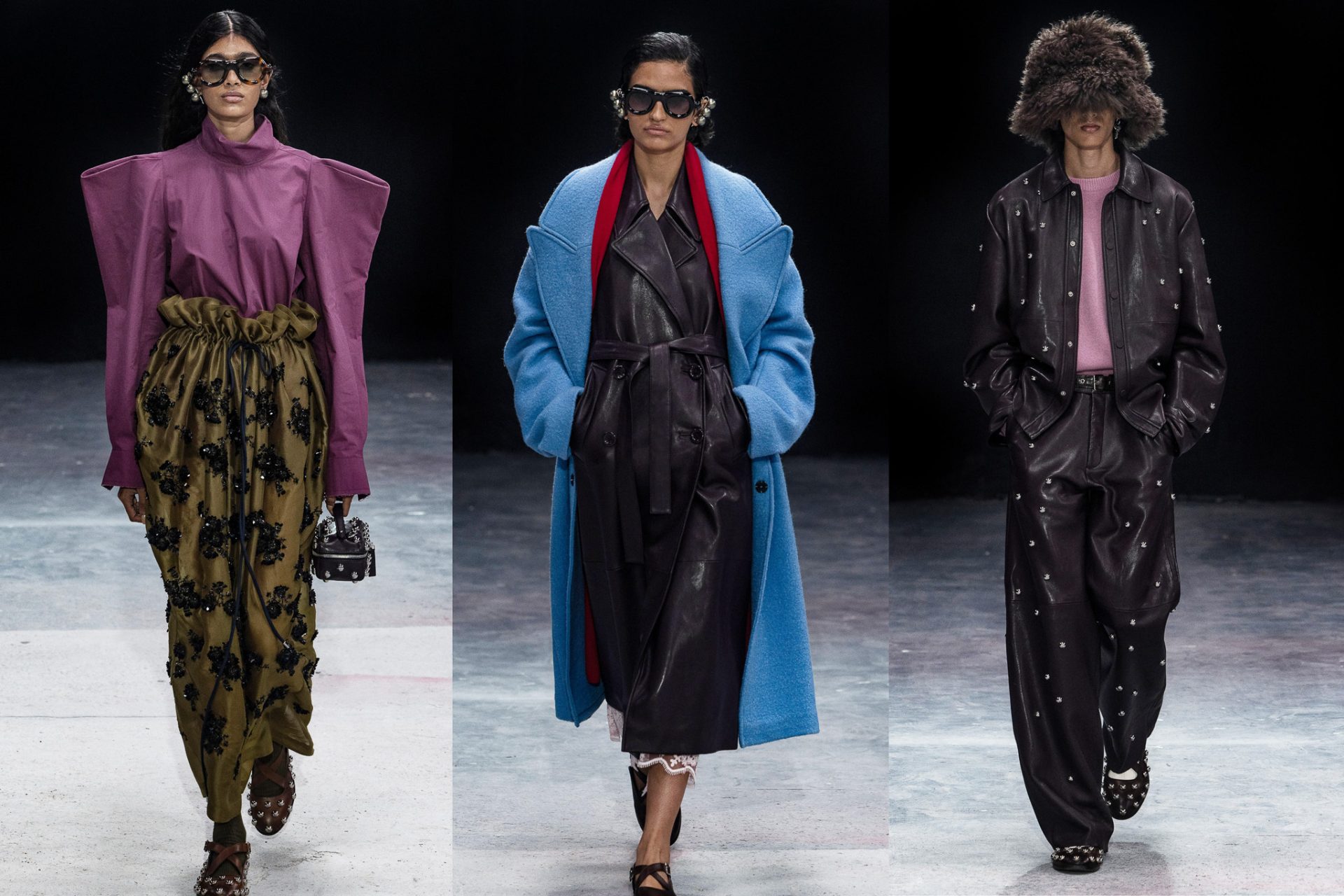
For Fall Winter 26–27, Dhruv Kapoor turns to the in‑between: spaces defined by passage rather than arrival. The collection is anchored between rest and motion, shaped by simple observations made in transit environments—airports, hotel lobbies, corridors, stairwells and elevators, places designed for movement and pause where time is spent in between rather than at a destination. In these spaces, different moods sit side by side: urgency and waiting, fatigue and alertness, stillness and movement. People rarely talk; instead, their posture, pace and clothes shift almost unconsciously. For Kapoor, these invisible emotional states become the starting point: how can this unresolved moment be translated into garments?
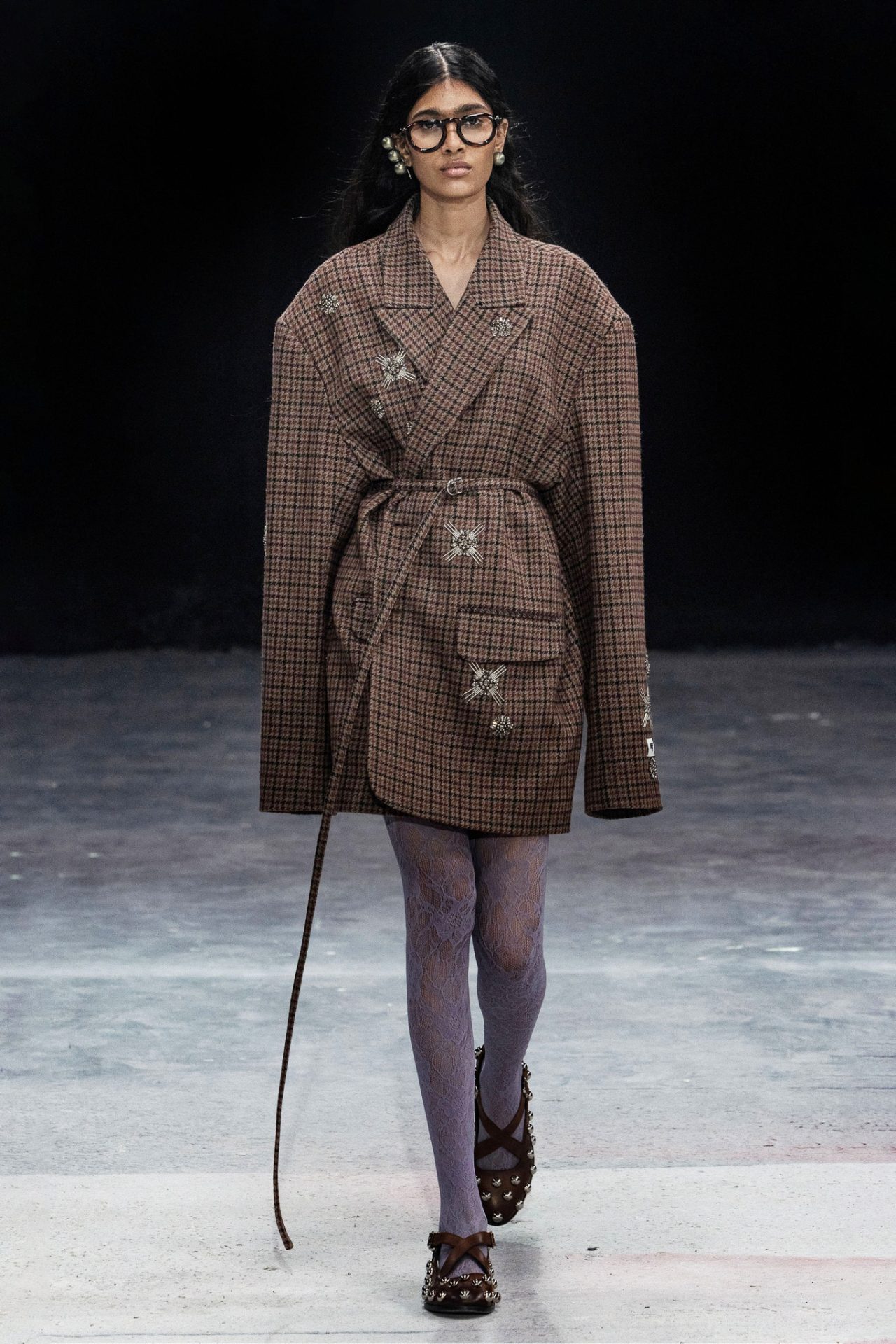
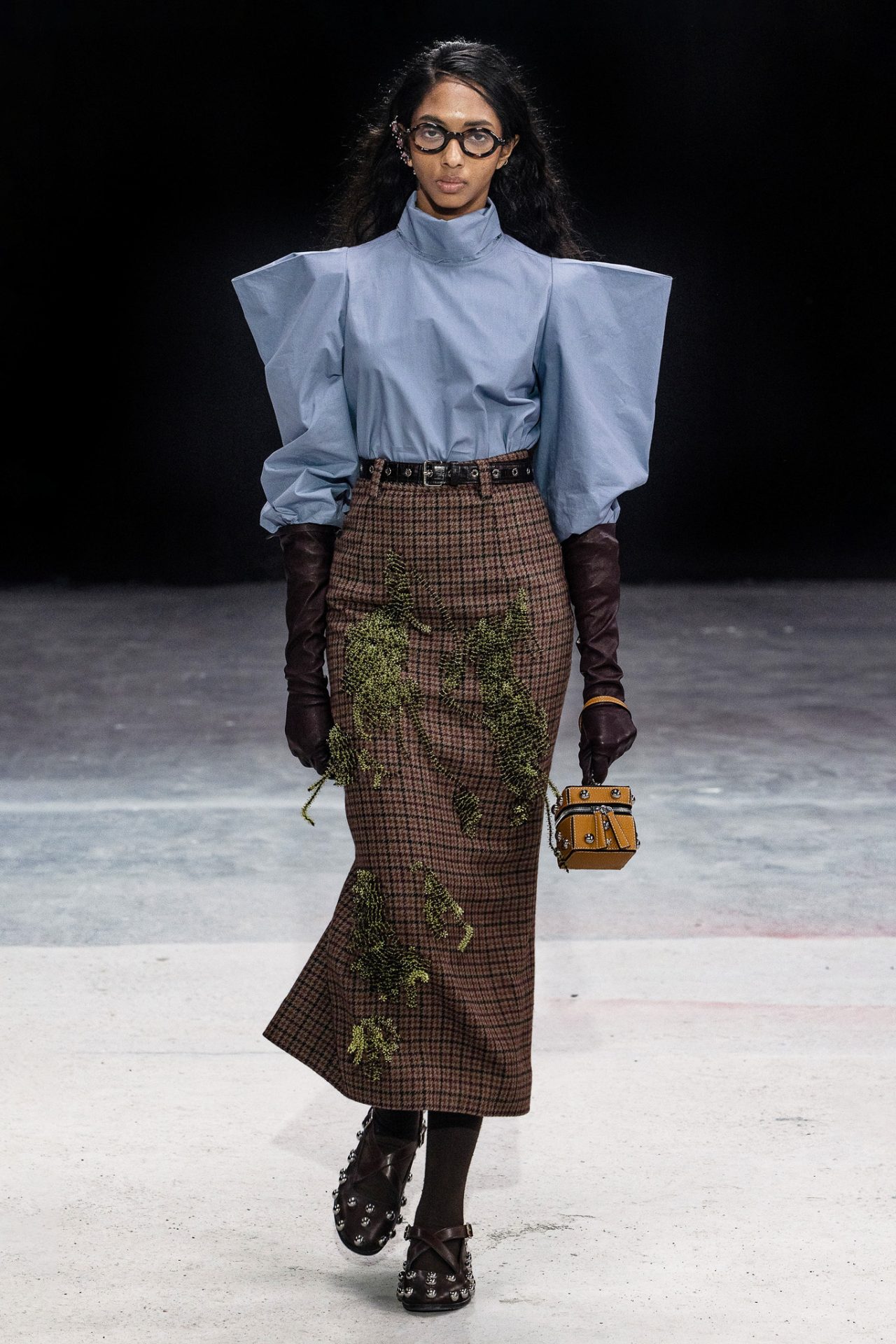
“The key this season is how people dress while they are in transition.” In a single waiting area, you might see a sharp business suit on its way to a meeting, a tracksuit just off a long‑haul flight and something that already looks close to loungewear. This clash of dress codes forms the backbone of the collection. On the runway, that approach appears as pairings built around tension—business with leisure, casual with refined, clumsy with sharp—deliberately avoiding a neat image of “arrival” and staying in the unsettled space of “still on the way”.
Unfinished Edges for an Unresolved State
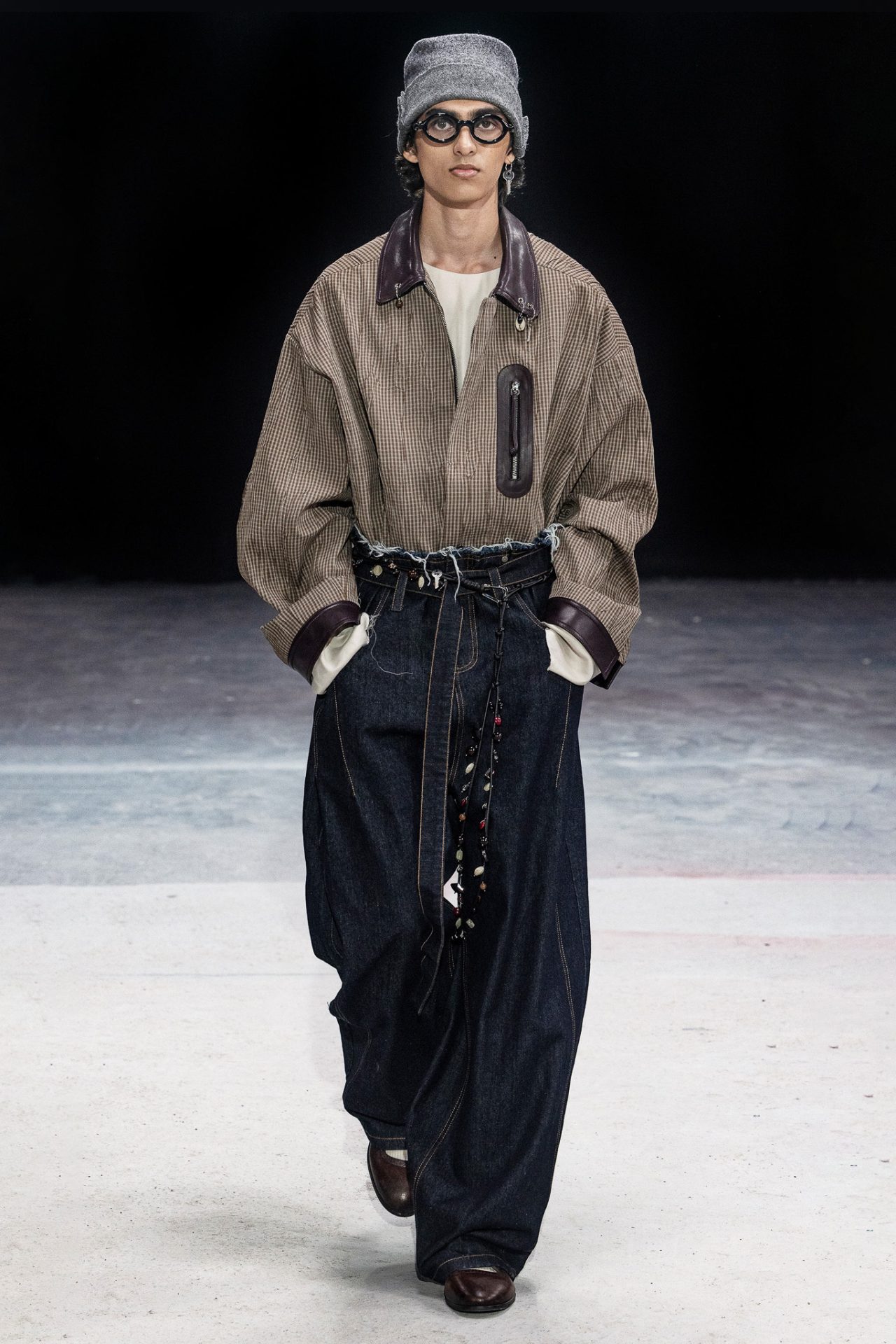
To keep the clothes visually “in transit”, Dhruv Kapoor leans into deliberate incompletion. Raw hems, unfinished hand embroideries and lived‑in creases depict the garments in motion rather than at rest, echoing bodies that are constantly adjusting as they move through these spaces. Prints extend this approach: they are built from hand‑drawn graphics with visible draft layers and unfinished patterns, so the sketch and the process remain part of the final image instead of being polished away. Several jackets also feature cut‑out holes along the collar, designed for the wearer to hang their own objects—keys, earbuds, charms—allowing each person to add small, personal markers to the silhouette.