Bernardo Antichità|Florence’s Last Antique Jewellery Family

Language • 語言

Tucked among the jewellers of Ponte Vecchio is a door that opens into an entirely different world — ancient Roman intaglio rings, a Castellani pendant gifted by a pope, a royal warrant from the House of Savoy. Four generations, one address, centuries of expertise and provenance.

Share This Article • 分享本文

Florence’s Ponte Vecchio is one of the most over-photographed spots in the world. But step through the door at number 44r, and time seems to genuinely stop.


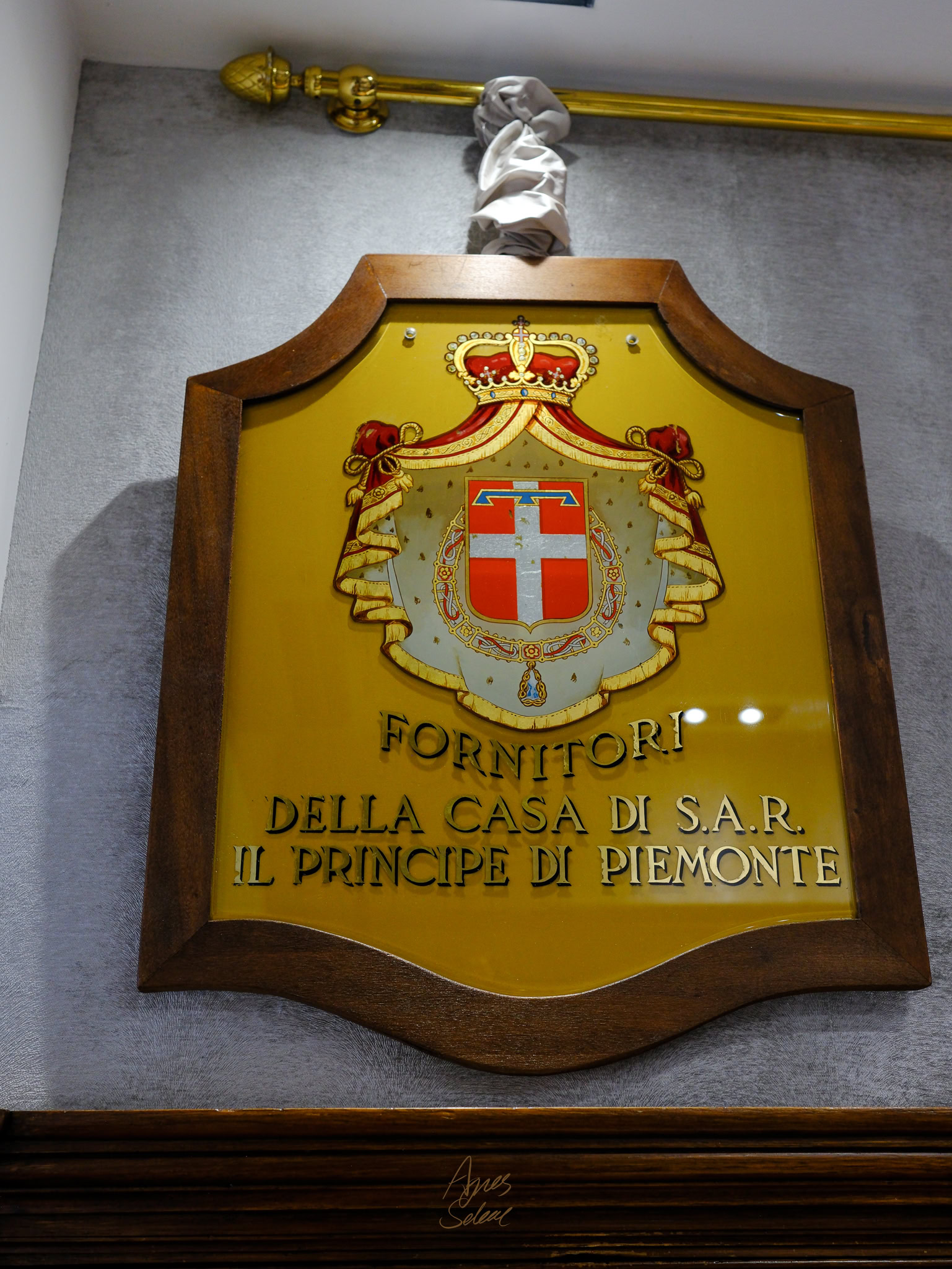
The story of Bernardo Antichità begins in the late 19th century, when Caterina Pasquinucci’s great-grandfather, Adolfo Melli, relocated his family to Florence and opened this shop on the ancient bridge, specialising in jewellery and fine works of art. It quickly became a supplier to European royalty and nobility. The shop still holds the original correspondence and certification documents from that era — including the royal warrant granted by the House of Savoy, confirming their role as official suppliers to the heir to the Italian throne. A gilded plaque mounted on the wall reads: Fornitori della Casa di S.A.R. il Principe di Piemonte — “Supplier to the Household of H.R.H. the Prince of Piedmont.” It is the title of Italy’s last crown prince, and the shop’s quietest historical footnote.

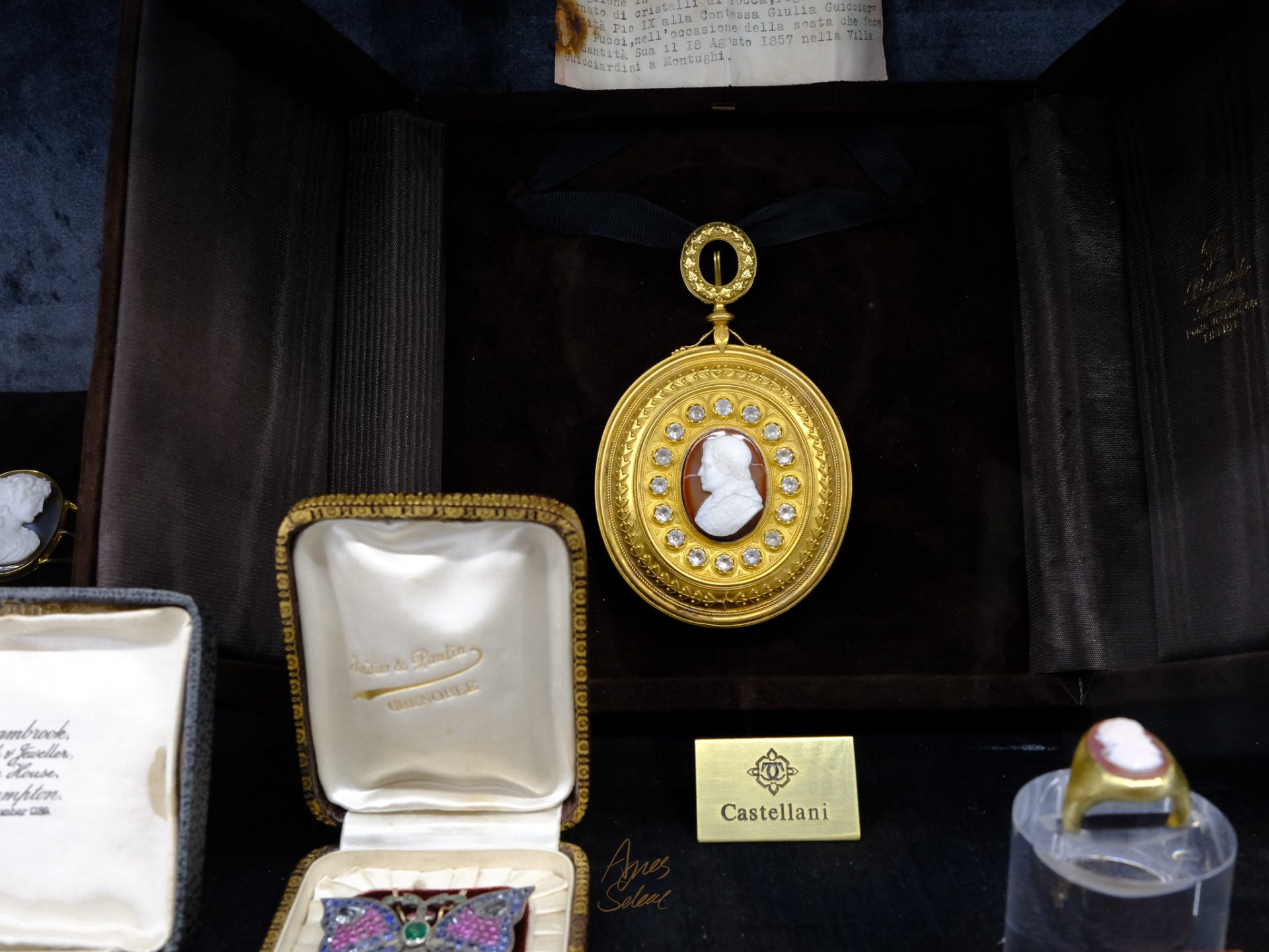
a Castellani gold pendant accompanied by a Vatican scroll, documenting the day in August 1857 when Pope Pius IX personally presented it to a Florentine countess
Fornitori della Casa di S.A.R. il Principe di Piemonte — "Supplier to the Household of H.R.H. the Prince of Piedmont.

The business passed from Adolfo to his son Gustavo Melli, and eventually to the current generation: Caterina, her husband Fabio Bernardo, and their son Duccio. The three run this four-generation antique jewellery shop together, continuing at the same address on Ponte Vecchio 44r, going about their work without fanfare. The first thing Duccio said when we met was: “On this bridge, I think we’re now the only ones left doing true antique jewellery.” Among the densely packed jewellers of Ponte Vecchio, the remark landed somewhere between pride and quiet melancholy — after the pandemic, the Melli shop, named after his mother’s family and once located just steps away on the same bridge, closed its doors for good.


Inside, the experience feels less like shopping and more like wandering into a small private museum without an admission fee. The display cases hold intaglio rings from ancient Rome and the Imperial period — carnelian, agate, and basalt engraved with gods, warriors, portraits, and family crests, each stone set into hand-crafted gold mounts, waiting for their next wearer. Nearby sit 18th and 19th-century signet rings from Italian guilds and noble families — made to seal, to authenticate, to carry trust — alongside rings commissioned to mark a journey, a marriage, or a bereavement. Then there are the pieces with papal provenance: a Castellani gold pendant accompanied by a Vatican scroll, documenting the day in August 1857 when Pope Pius IX personally presented it to a Florentine countess, the original written record preserved alongside the jewel itself.

For Privé Members

Privé 會員專屬

The rest of this piece is open to Privé members. Become one to read it in full — and everything in the archive, in English, Traditional Chinese, and Simplified Chinese.

後續內容為 Privé 會員開放。成為會員即可閱讀全文,以及完整文章庫 — 以英文、繁體中文、簡體中文呈現。

Become a Member

Join the Conversation

留下你的看法

閱讀不必止於此。 歡迎分享你的觀點、提問或補充。
Let the reading continue. Share your perspective, question, or addition below.

Subscribe
Notify of
guest

0 Comments