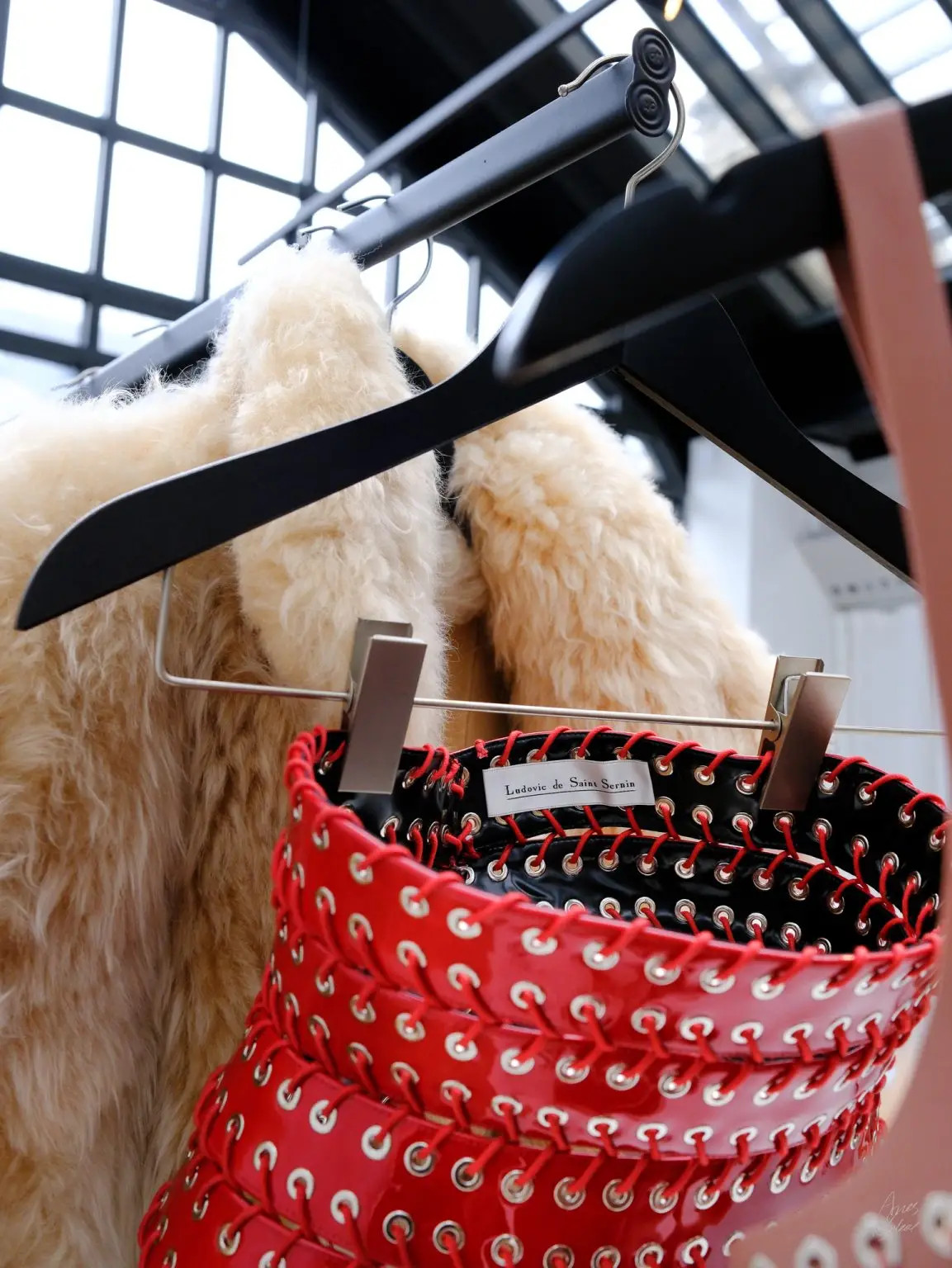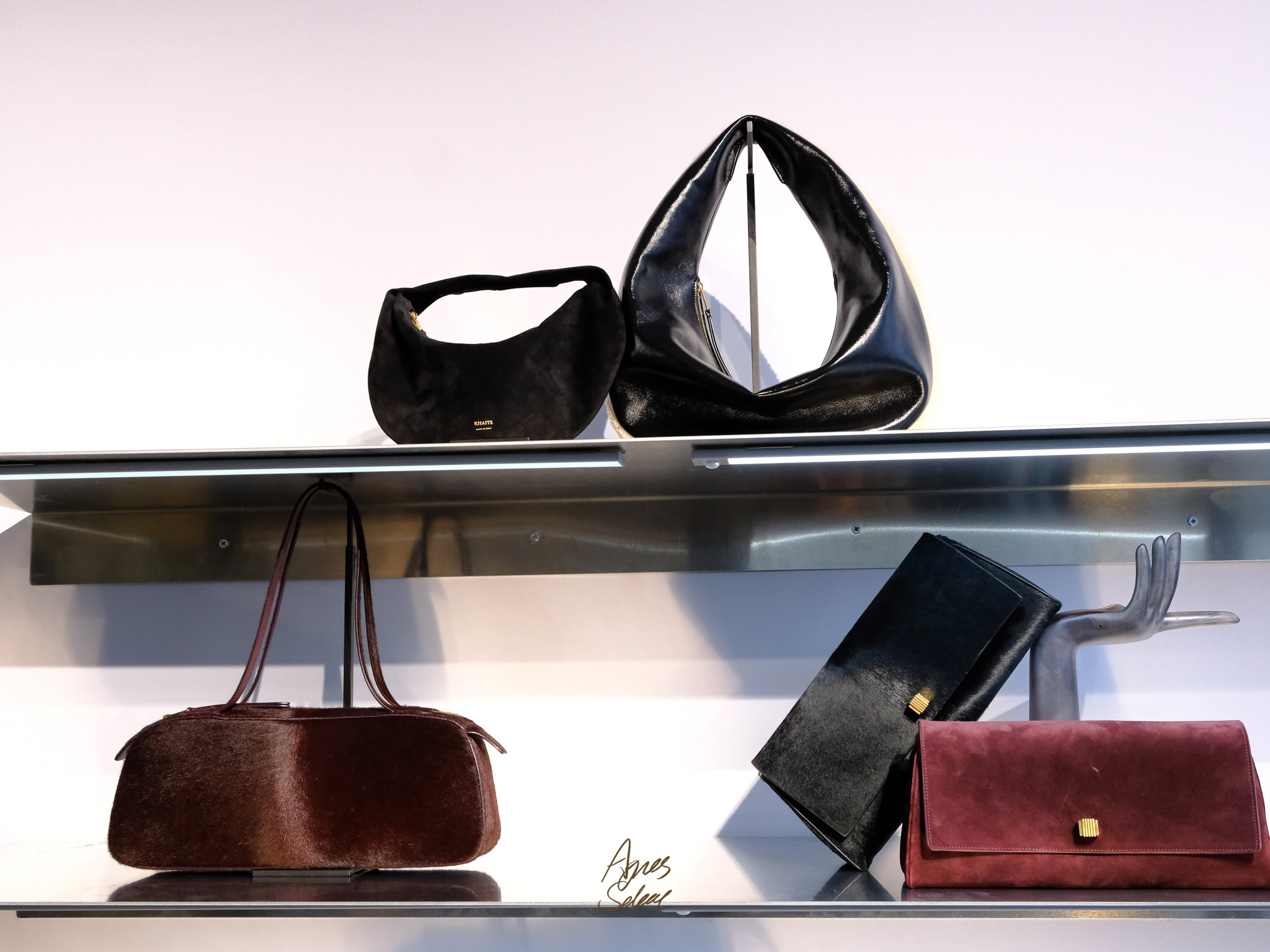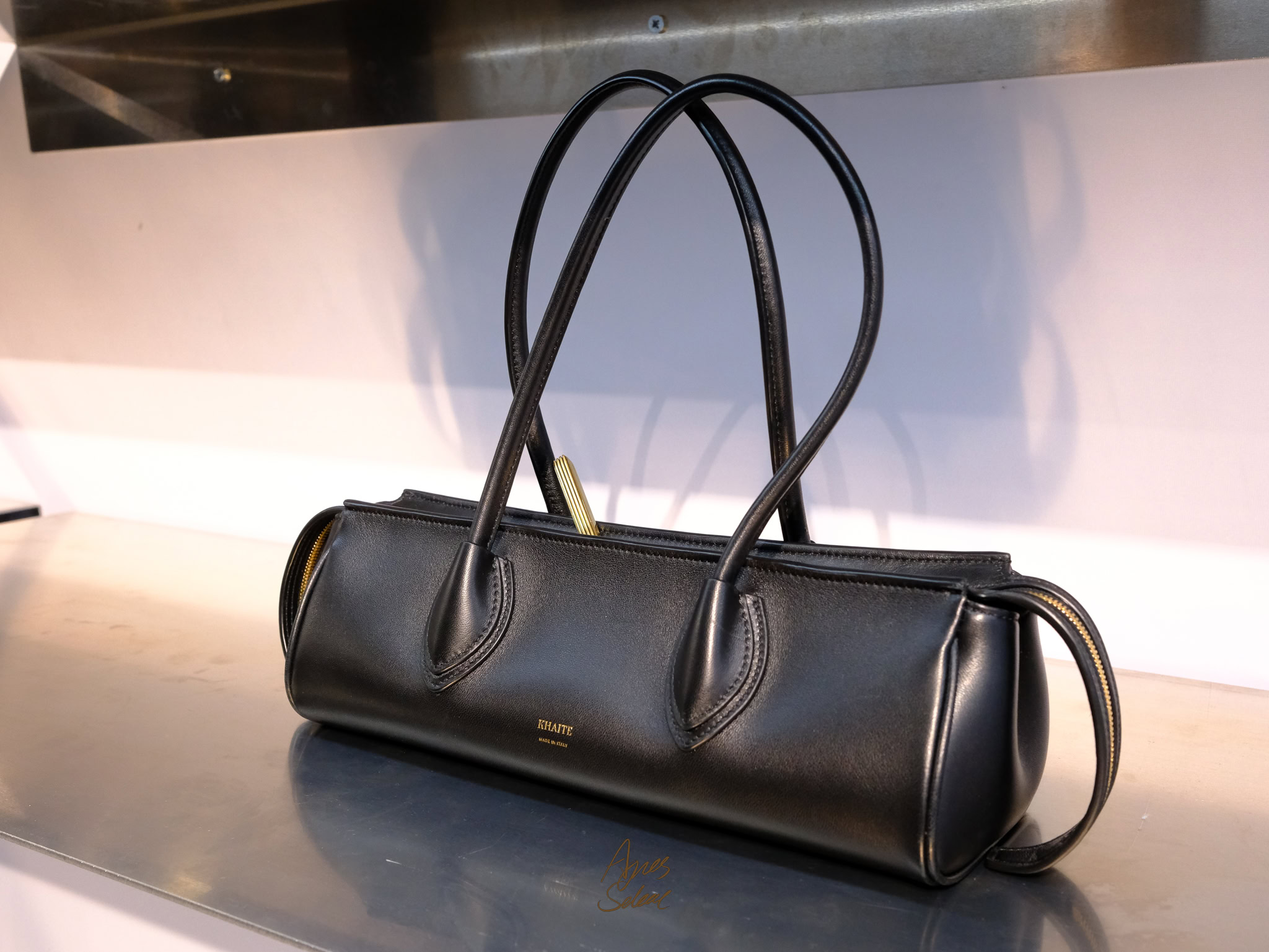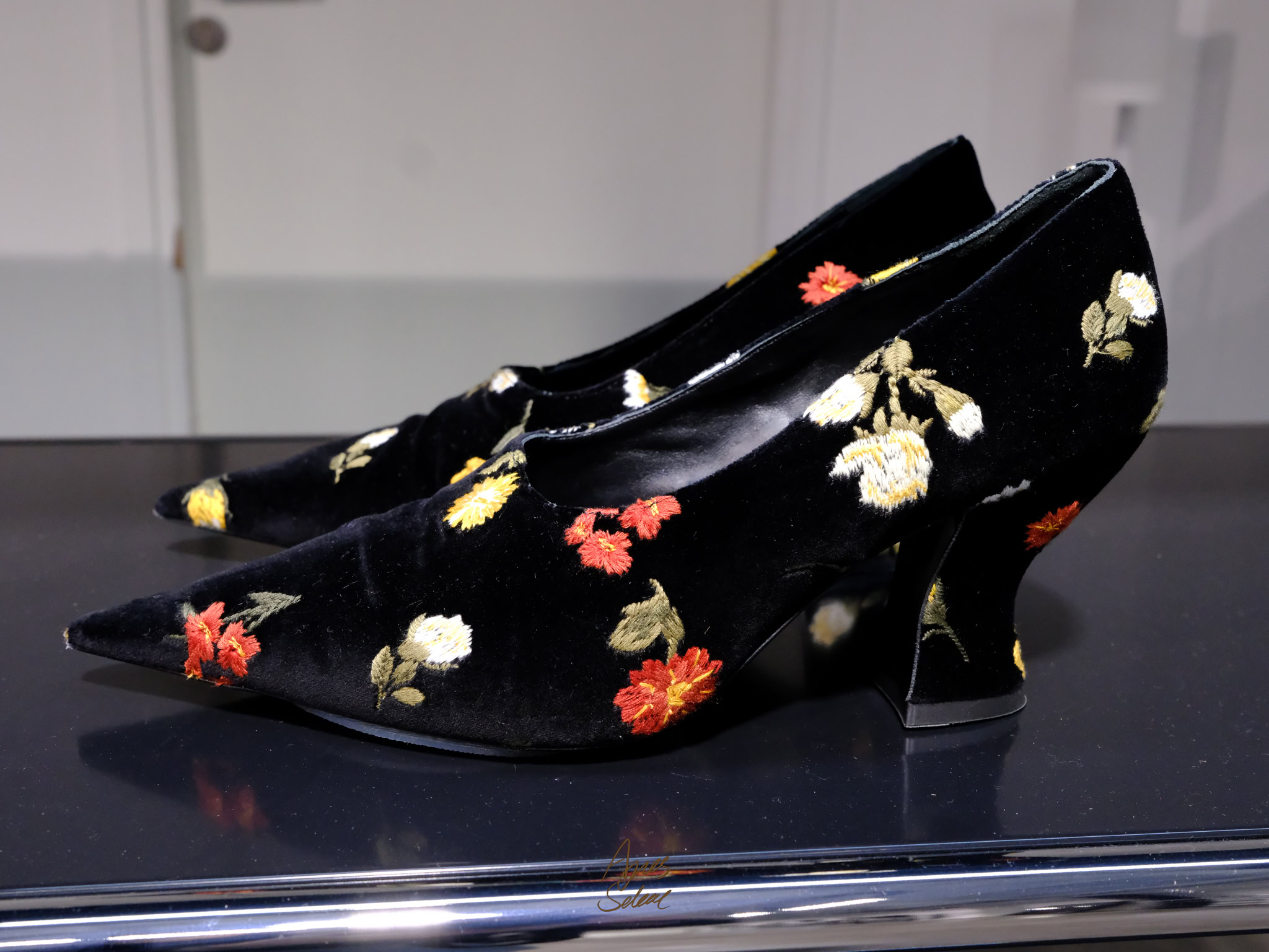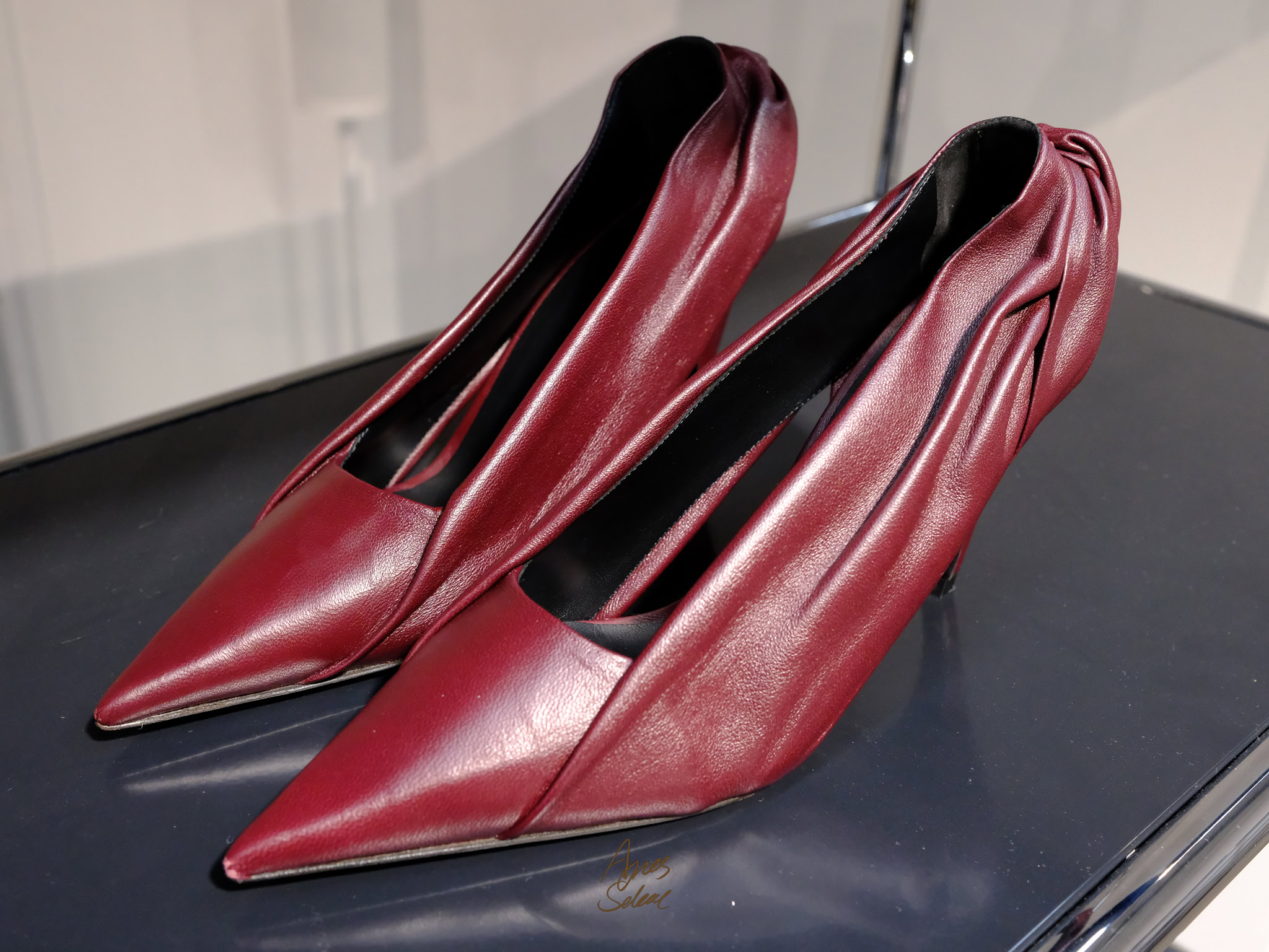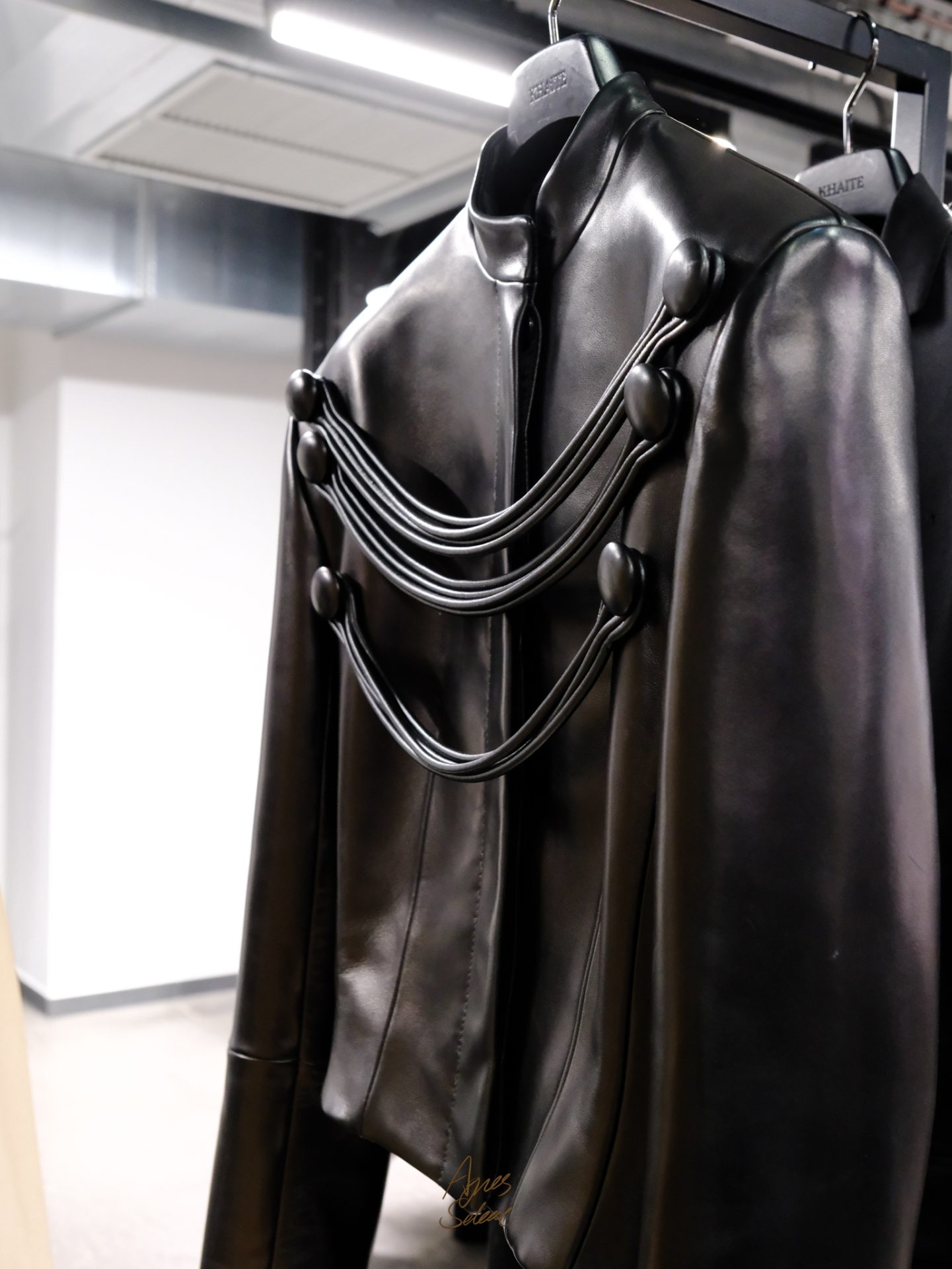
In her notes on the Fall/Winter 2026 collection, Catherine Holstein (known as Cate) cited Orson Welles’ 1973 essay film F for Fake as a source of inspiration — a work that circles obsessively around forgery, authenticity, and the question of who gets to decide what is real. One line from the film has stayed with me: “There are lots of oysters, only a few pearls.” In today’s fashion landscape — saturated with brands performing old money, performing quiet luxury, performing restraint — the line feels almost uncomfortably precise. There are many oysters. The ones willing to develop their own fabrics, insist on the best materials, and obsess over the construction details no one will ever photograph remain rare. This season, Khaite is one of them.
From Early Promise to Deliberate Apprenticeship
Before Khaite, Cate had already lived through one full cycle of rise and retreat. While still a junior at Parsons — before she had even finished her degree — her thesis work was picked up by Barneys. She launched under her own name — Catherine Holstein — quickly placing at Saks Fifth Avenue, Kirna Zabête, and Louis Boston. It looked, from the outside, like the clean arc of a natural talent.
Then 2008 happened. She closed the brand — too personal in its vision, too fragile in its structure — and made a deliberate choice to go back to school, not in any classroom, but inside the industry itself. She joined Gap as knitwear design director, a role that put her inside the full machinery of a global fashion group, from design through merchandising to vertical supply chain. She has described that period as her real “Harvard of fashion” — the place where she learned not just how clothes are made, but how they move through a system, how they are calculated, and how quickly an idea falls apart without the right infrastructure behind it.
What followed was a decade of deliberate exposure: Vera Wang, The Elder Statesman, J.Crew, Madewell, Maiyet. The ceremonial weight of bridal, the hand of California cashmere, the price realities of American ready-to-wear. None of it was glamorous. All of it was precise preparation.
When she relaunched as Khaite in 2016 — in partnership with Assembled Brands — the first things people remembered were not high-concept runway moments. They were jeans and knitwear. That was not an accident. It was the compression of years of material knowledge into the categories that are hardest to do well precisely because they look so simple.
Fabric as Standard, Not Surface
“I always say 80 per cent of the appeal of a garment is fabric to a customer.” Cate has repeated some version of this across interviews for years. Whatever the logo, she observes, women return to the same things — denim, cotton, cashmere. The weight of it on the body. The way it moves against skin. The temperature it holds. These are not aesthetic choices. They are physical facts, and they do not lie.